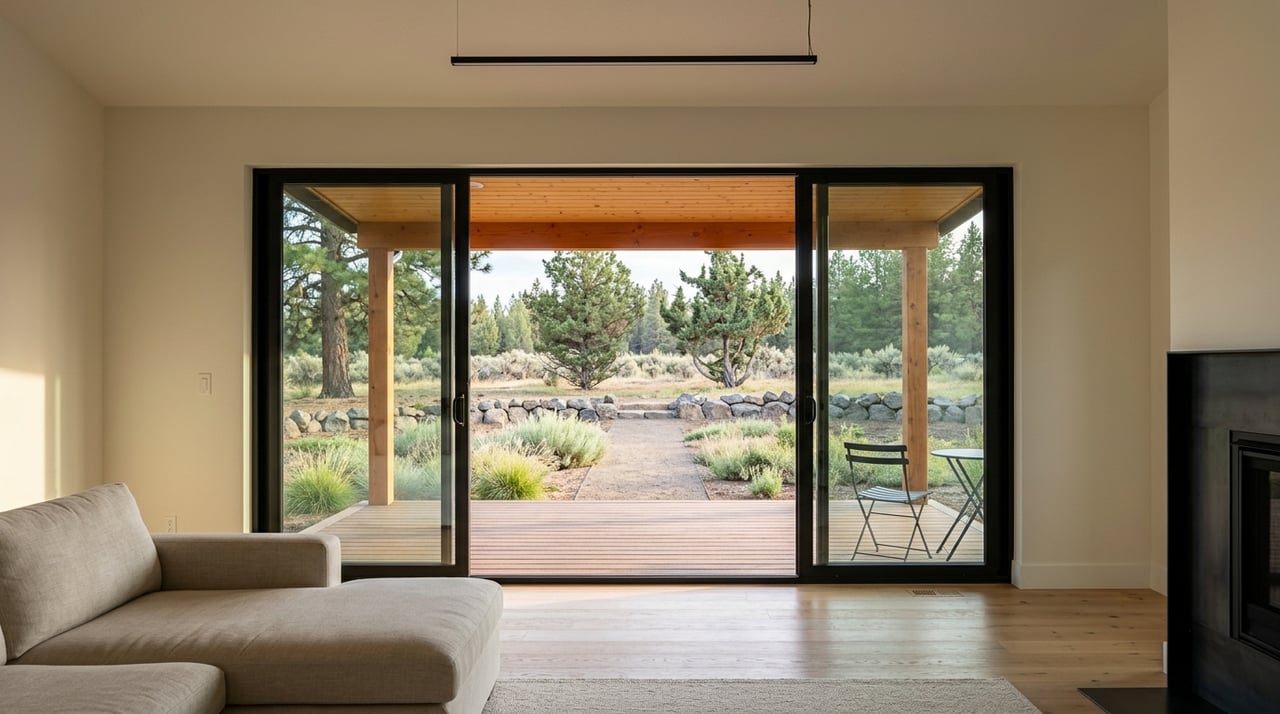
What To Know Before Buying In Boonesborough
April 23, 2026
April 23, 2026
If you are thinking about buying in Boonesborough, the house is only part of the story. This area north of Bend offers the kind of space many buyers want, but acreage property comes with a different set of questions than an in-town home. When you know what to check before you buy, you can move forward with more confidence and fewer surprises. Let’s dive in.
Boonesborough is best understood as an acreage-oriented rural subdivision area near the Deschutes Junction and US 97 interchange, about five miles north of Bend, based on county transportation materials. That location can make it practical to reach both Bend and Redmond, but the lifestyle is typically more about land, privacy, and utility than dense neighborhood living.
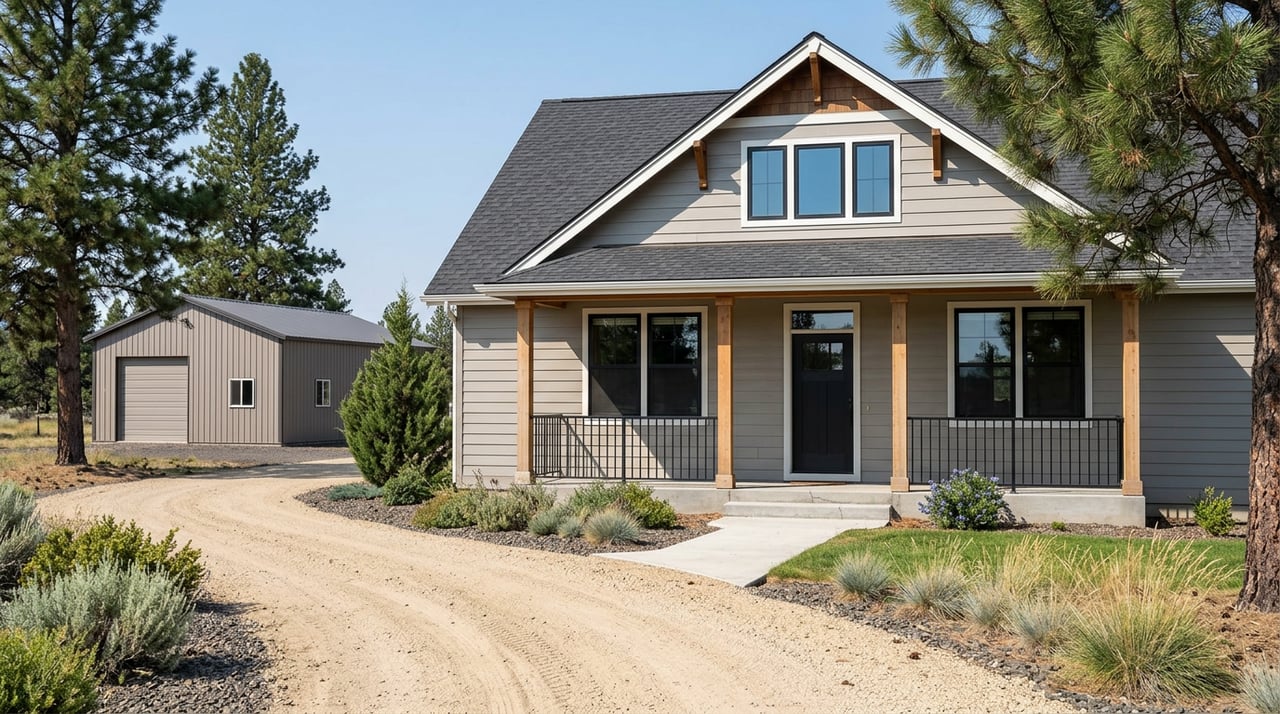
For many buyers, that is exactly the appeal. You may be looking for elbow room, a shop, RV storage, or a one-level home on usable land. In Boonesborough, those property features often matter just as much as square footage.
Recent listing patterns suggest Boonesborough properties are often low-density acreage homes. Sampled homes have generally ranged from about 2.5 to 2.85 acres, roughly 1,434 to 3,556 square feet, and were commonly built between 1978 and 1993, with features like ranch-style layouts, mountain views, long or paved driveways, and detached utility space such as shops or RV garages.
That matters because your buying decision here should focus on both the home and the land. A practical floor plan is important, but so is whether the acreage is usable for the way you want to live.
One of the biggest mistakes buyers make with rural property is assuming the parcel can be used however they imagine. In Deschutes County, zoning is parcel-specific, and overlays may add extra rules tied to airport safety, wildlife areas, or other development constraints.
The county also notes that many older lots were created before current zoning standards. That means a parcel can be a legal existing lot even if it is smaller than today’s minimum lot size, but that does not mean it can be divided further.
In Boonesborough-style areas, some parcels may fall within zones such as MUA-10, which supports rural residential development along with some limited related uses. The county says a standard land division in MUA-10 is 10 acres, so smaller existing lots are often legacy lots rather than examples of what could be created now.
If you are buying with plans to add structures, split land, create guest space, or run a home-based use, zoning review should happen early. A property that works well for one owner’s needs may not support your long-term goals in the same way.
This is one reason Boonesborough should be evaluated parcel by parcel instead of treated as a uniform subdivision. The legal and practical details can vary significantly from one address to the next.
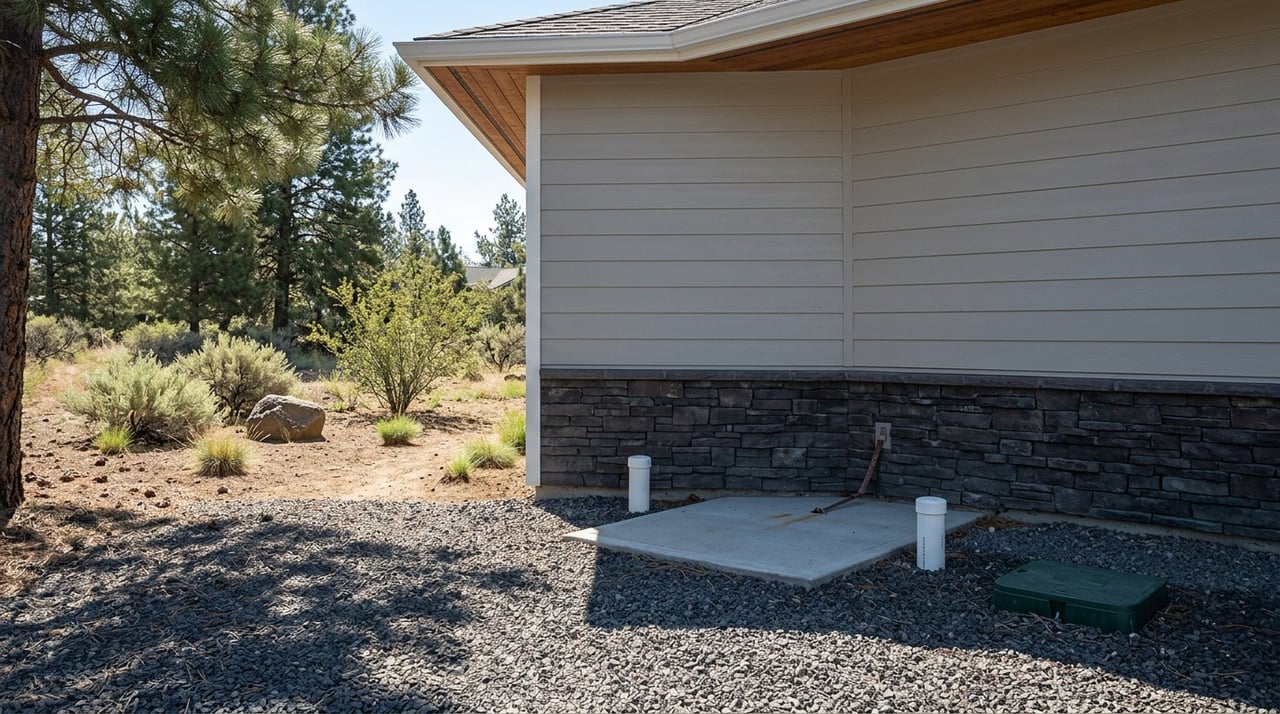
On acreage property, private infrastructure is often one of the most important parts of your due diligence. Deschutes County says it has about 17,000 private wells and recommends annual bacteria and nitrate testing. Oregon also requires a domestic well to be tested for bacteria, nitrate, and arsenic when the property is sold.
You can learn more from the county’s private well guidance. For buyers, this means well records, water testing, and overall system understanding should be part of the purchase review, not an afterthought.
Septic matters just as much. The county says septic maintenance should be documented, and some systems require a standing maintenance contract plus annual inspections for the life of the system.
Before you buy, it helps to verify:
A beautiful house can feel very different if the well, septic, or both need major updates soon after closing.
With rural property, access is part of the value. Deschutes County requires a driveway access permit when a driveway connects a public county road to private property, and the county’s addressing system ties the address to the driveway’s road intersection.
For you as a buyer, that means driveway access, sight distance, and address verification deserve attention during due diligence. If access is unclear or noncompliant, the fix may not be simple.
Long driveways can also change the day-to-day ownership experience. Maintenance, snow considerations, emergency access, and vehicle wear may all be part of the equation, especially on larger parcels.
In Central Oregon, wildfire preparation is a practical ownership issue. The Oregon State Fire Marshal says defensible space and home hardening are key tools for protecting homes in wildfire-prone areas.
On a Boonesborough parcel, it is smart to look closely at vegetation near the home, roof and gutter condition, and how easily emergency vehicles can reach the structure. A larger lot can be a major benefit, but it can also mean more land to maintain.
Deschutes County’s FireFree program also offers education and free yard-debris disposal to help residents reduce fuels around structures. When evaluating a property, think about wildfire readiness not just as a safety item, but also as part of ongoing ownership and future resale appeal.
If you are hoping to add an accessory dwelling unit, guest quarters, or future rental space, do not assume the parcel will qualify. According to the county’s ADU research checklist, ADUs are limited to rural residential exception areas and are not allowed in resource zones such as EFU or Forest Use.
The county also says ADU review can include zoning, utility service, fire-district access, driveway access, and septic capacity. In many cases, an existing septic system may need to be upgraded or replaced to support an ADU.
If extra living space is part of your long-term vision, treat that as a research item before you buy, not a project to sort out later. On acreage property, future flexibility is never guaranteed.
Some Boonesborough properties may also have CC&Rs or other subdivision documents that affect how the property can be used. Deschutes County notes that title companies often have copies available, and buyers can also review the title report or contact the HOA when applicable.
That makes subdivision documents worth checking early, especially if you care about outbuildings, parking, exterior changes, or other use-related details.
In a market like Boonesborough, the most transferable properties are often the ones that feel straightforward to own. Based on recent listing patterns and county due-diligence priorities, that usually means usable acreage, a practical layout, documented well and septic history, clear driveway access, wildfire mitigation, and useful extras like a shop or RV storage.
On the other hand, deferred maintenance, unclear permit history, unpermitted additions, weak defensible space, or expensive infrastructure issues can make resale harder. These are not small details in an acreage market. They can affect both your ownership costs and your future buyer pool.
If you are serious about buying in this area, here is a practical checklist to guide your review:
A careful review upfront can help you avoid buying a property that looks right on the surface but creates expensive surprises later.
Boonesborough can be a great fit if you want space, utility, and a rural edge-of-Bend setting. But unlike a more standardized in-town purchase, the key questions here often involve land use, infrastructure, access, and future flexibility.
That is why local, detail-oriented guidance matters. When you evaluate Boonesborough parcel by parcel, you put yourself in a much stronger position to buy with clarity and protect your resale options down the road.
If you want help evaluating a Boonesborough property or comparing acreage options around Bend, Karen Whiteid offers the kind of practical, high-touch guidance that can make a complex purchase feel much more manageable.
Explore Karen’s take on the market, local events, and helpful homeowner resources.

Karen offers custom solutions tailored to your goals, every step of the way.