Bend vs Redmond Comparison: Cost and Lifestyle Tradeoffs
January 15, 2026
January 15, 2026
Trying to decide between Bend and Redmond? You’re not alone. Many Central Oregon buyers compare these two neighbors to balance budget, commute, and lifestyle. In this guide, you’ll see the key tradeoffs so you can focus your search and feel confident about your choice. Let’s dive in.
| Category | Bend | Redmond |
|---|---|---|
| Housing cost | Generally higher purchase prices and price per square foot with tighter inventory | Generally lower median prices with more new construction and land availability |
| Housing stock | Mix of older in‑town homes, infill condos/townhomes, and high‑end custom communities | Newer subdivisions, larger lots at similar budgets, manufactured homes more common, and growing apartments |
| Commute within region | Heavier intra‑city congestion in hotspots; Bend–Redmond via US‑97 typically 20–40 minutes | Quick access to industrial/logistics jobs and the airport; Redmond–Bend via US‑97 typically 20–40 minutes |
| Transit options | Regional bus service via Cascades East Transit | Regional bus service via Cascades East Transit |
| Airport access | Commercial flights via Roberts Field in Redmond | Roberts Field (RDM) is in town |
| Outdoor access | Closer to Mt. Bachelor, Deschutes River, and dense singletrack networks | Closest city to Smith Rock State Park and Crooked River areas |
| Nightlife & culture | More restaurants, breweries, galleries, venues, and festivals | Smaller arts scene, practical conveniences, and a growing downtown |
| Tourism impact | Heavier seasonal tourism and crowding at popular sites | Quieter day‑to‑day with weekend visitors for Smith Rock and the airport |
| Parking & fees | More paid parking in busy districts | Fewer paid parking areas overall |
Bend’s prices have been shaped by strong demand, tighter inventory, and land‑use limits near the city. The Urban Growth Boundary and high tourism interest contribute to upward pressure on pricing. You’ll find a mix of older in‑town homes, infill condos and townhomes, and luxury new construction.
Redmond typically offers lower median prices and more new construction. Recent annexations and infrastructure work have opened more buildable land, supporting larger subdivisions and steady multifamily development. If you want value per square foot or a bigger yard, Redmond often stretches your budget further.
Keep total cost in mind beyond the purchase price. Property taxes vary based on specific levies and bonds, HOA fees are common in some new communities, and utility costs can differ by home size and efficiency. A side‑by‑side estimate for specific addresses will give you the clearest picture.
Both cities have solid rental demand, but the drivers differ. Bend’s tourism and larger workforce support a strong long‑term rental market, while Redmond’s industrial and airport employment anchors steady demand. Short‑term rental rules are stricter in Bend, which can affect investor strategies and available inventory. Redmond’s rules may be less restrictive. Always verify current city ordinances, required registrations, and local occupancy taxes before you buy.
US‑97 connects Bend and Redmond, and the typical drive between the two runs about 20–40 minutes depending on start and end points, traffic, and season. Expect busier traffic during summer and fall weekends and around winter weather events. Bend sees more localized congestion near popular districts and during peak tourist season.
If you prefer not to drive daily, look at Cascades East Transit routes that span the corridor. Biking and e‑bike commuting are popular within Bend thanks to a denser network of bike lanes and trails. Redmond’s bike infrastructure is growing and can work well for neighborhood and short city rides.
For travel, Roberts Field (RDM) sits in Redmond, offering convenient commercial flights for frequent flyers. If you spend time in Bend’s busiest districts, budget for parking where fees are more common.
Pro tip: test your commute at your usual hours on a weekday and again in a storm or tourist weekend. That real‑world trial is the best way to confirm your comfort level.
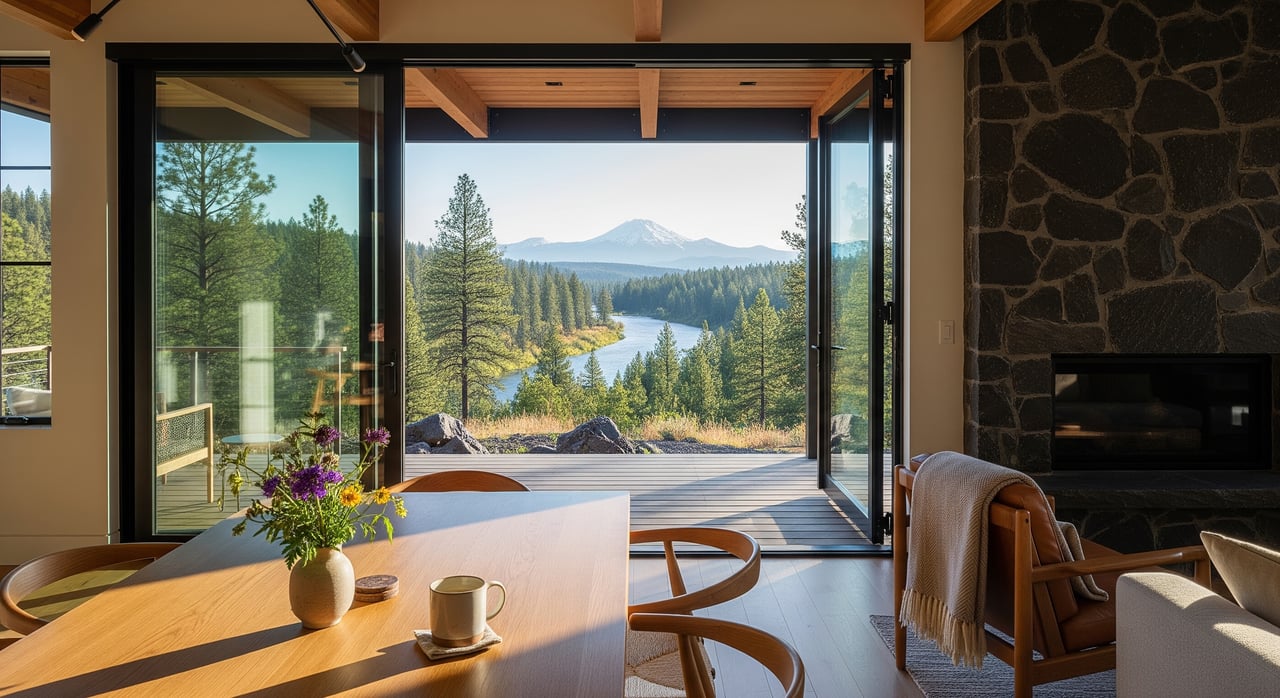
Bend is a year‑round playground with close access to Mt. Bachelor for skiing and riding, the Deschutes River for paddling and river parks, and extensive singletrack that draws mountain bikers from across the region. You’ll also find a denser cluster of outfitters, guide services, and cultural events, plus a standout brewery and food scene.
Redmond sits closest to Smith Rock State Park, a world‑class climbing area with hiking and canyoneering options, and the Crooked River corridor. You’ll have quick access to public lands north and east of town for hunting, dispersed camping, and open‑space exploration. The city’s trail network is growing, though many marquee mountain‑bike trails are closer to Bend.
Tourism patterns matter for daily life. Bend’s popularity brings more seasonal crowding and traffic, while Redmond tends to feel calmer day‑to‑day, with spikes tied to Smith Rock weekends and airport activity.
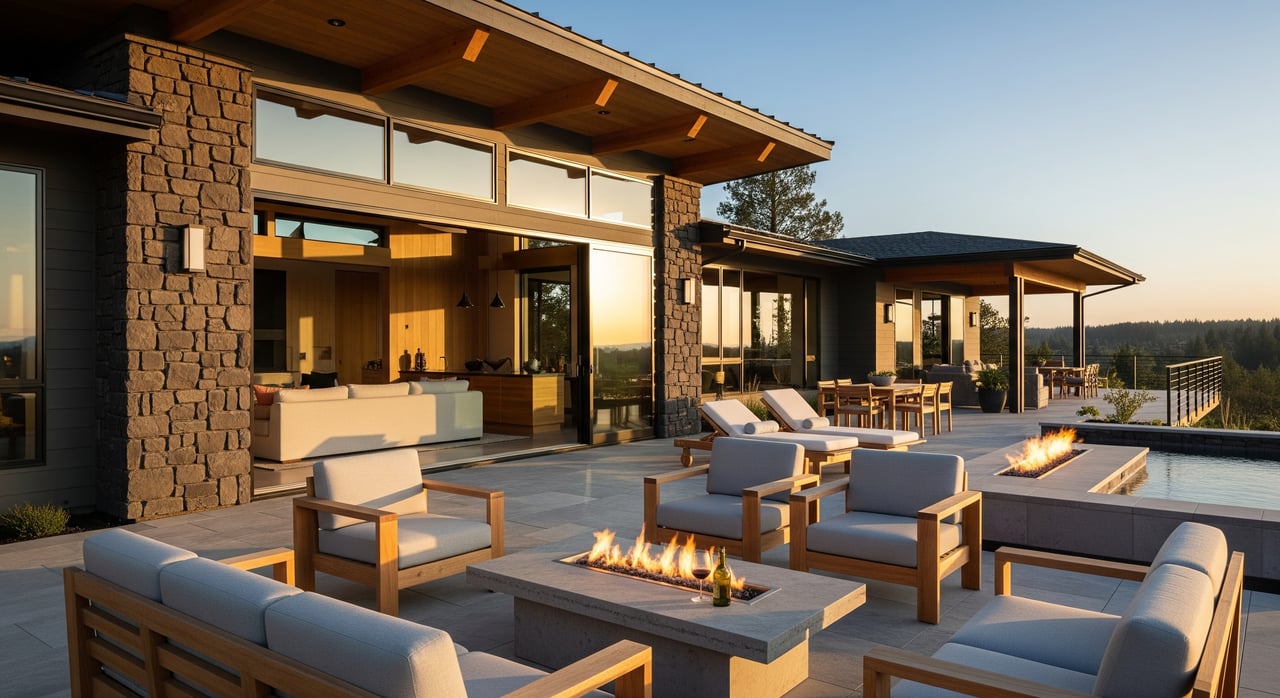
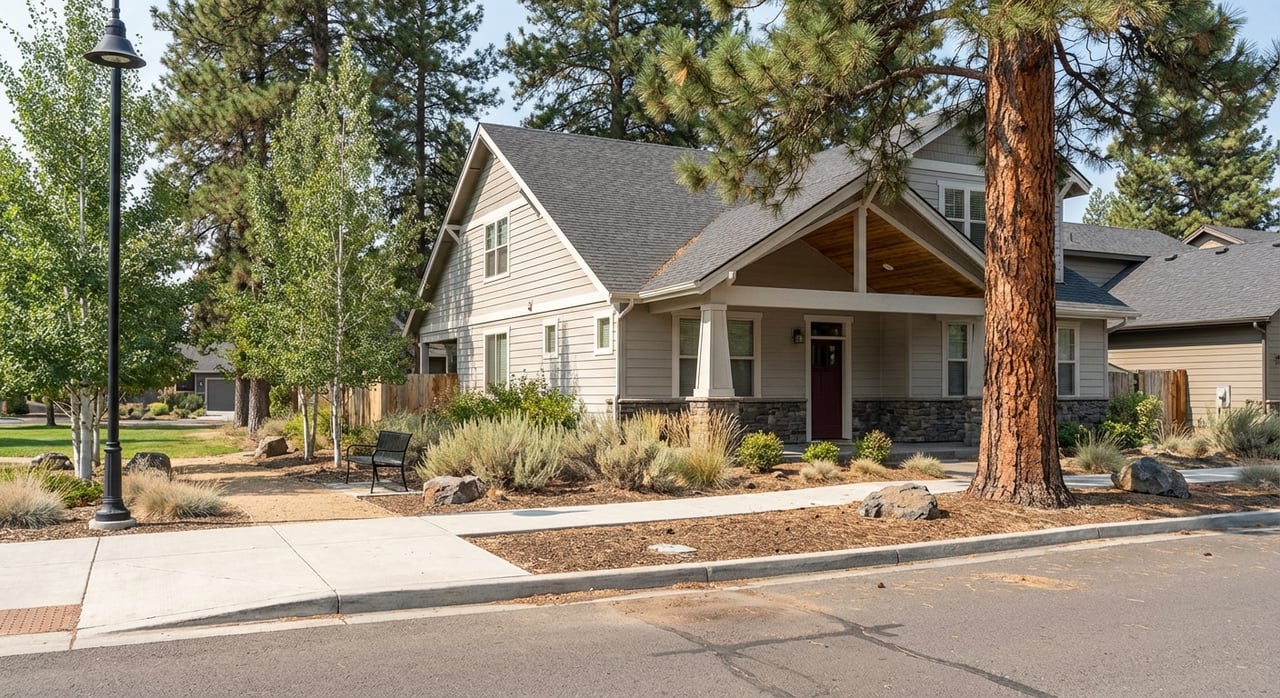
Bend offers variety: mid‑century homes near downtown, in‑town condos and townhomes, and custom, high‑end properties on the west side and beyond. Close‑in lots can be smaller, while properties on the edge or outside the core can stretch larger.
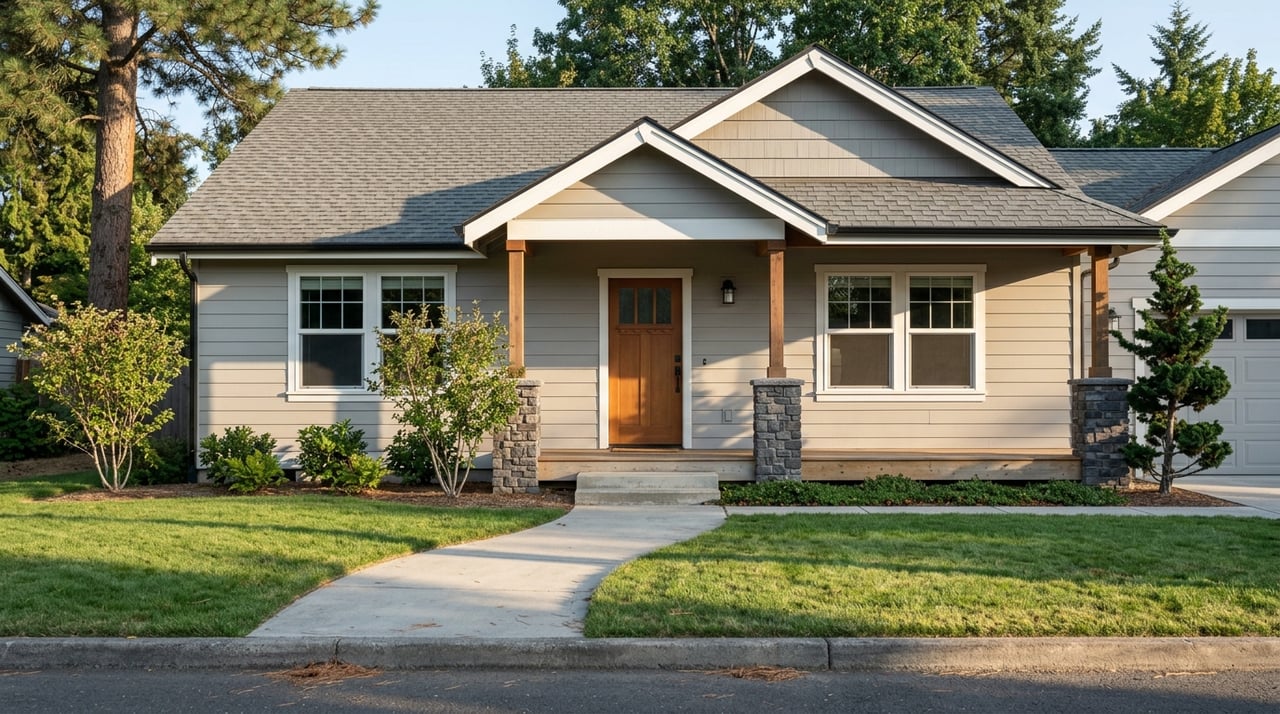
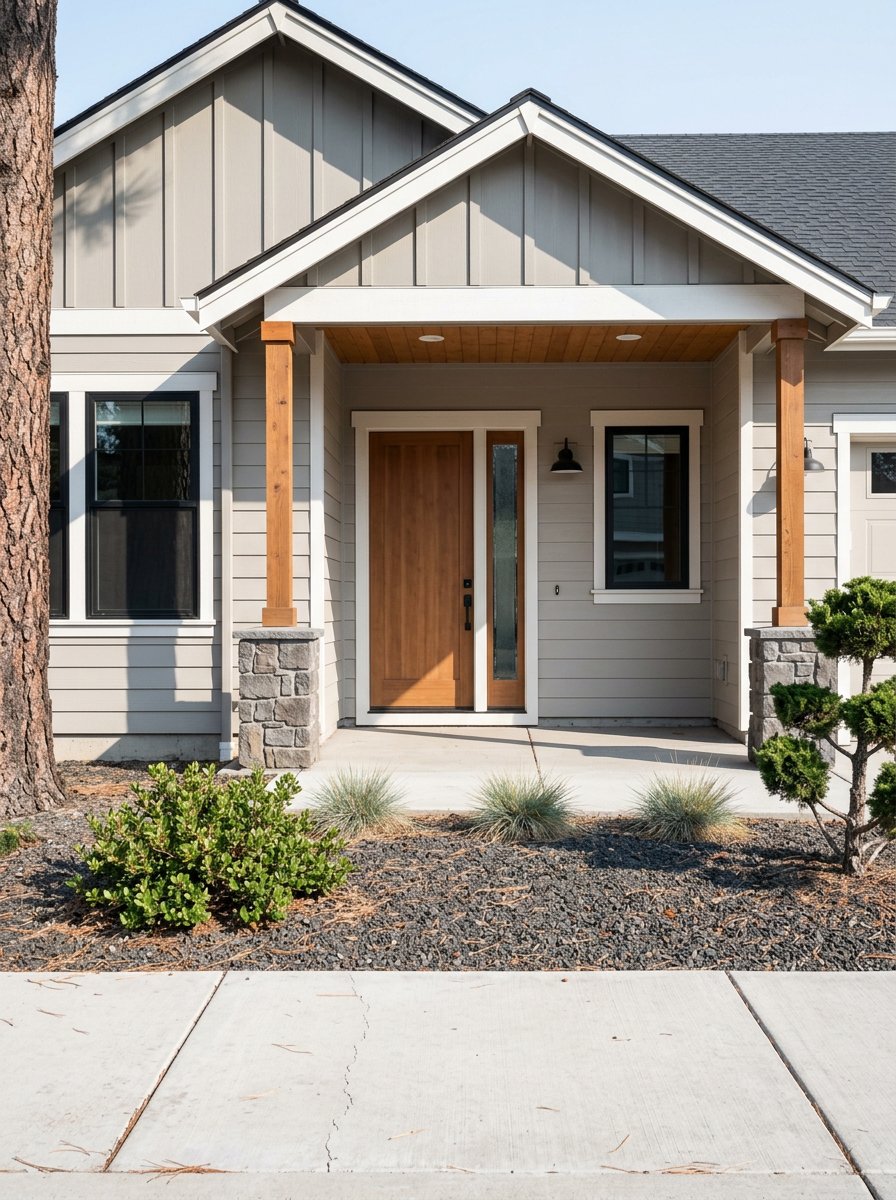
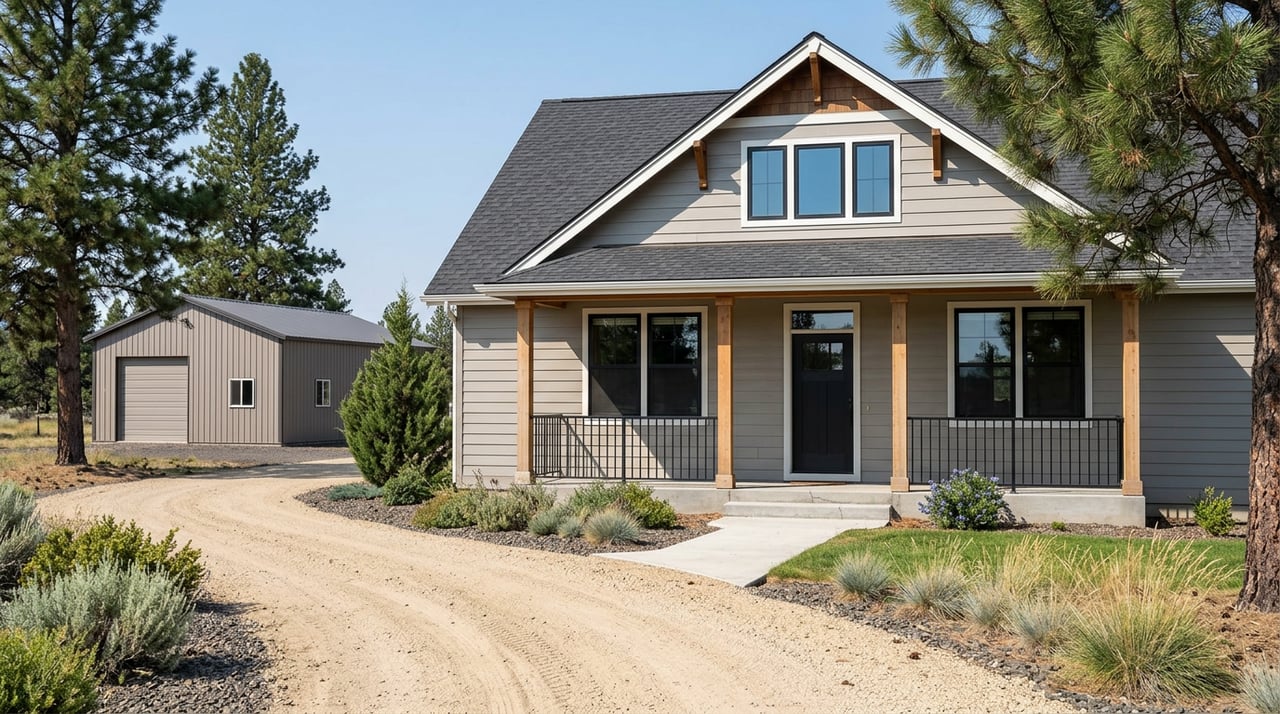
Redmond skews newer overall with subdivisions that often feature larger lots at similar price points. Manufactured and modular homes appear in more neighborhoods. You’ll also see an expanding selection of apartments and townhomes near commercial corridors that serve the local workforce.
If you plan to add an accessory dwelling unit, Oregon’s statewide ADU support helps, but specifics such as setbacks, utility hookups, and fees vary by city. Always check local development codes for the property you’re considering.
Bend is primarily served by Bend‑La Pine Schools and offers a wider range of specialty healthcare, including a larger regional hospital. Redmond is served by Redmond School District and offers community medical centers and clinics. For schools, review boundaries, programs, and transportation options for the specific neighborhoods you’re considering. For remote work, confirm broadband options at the address since service levels can vary by street.
Ready to map your priorities to the right address? Get clear, local guidance and a tailored plan with Karen Whiteid. It’s the fastest path to a confident, low‑stress decision.
Explore Karen’s take on the market, local events, and helpful homeowner resources.
Karen offers custom solutions tailored to your goals, every step of the way.