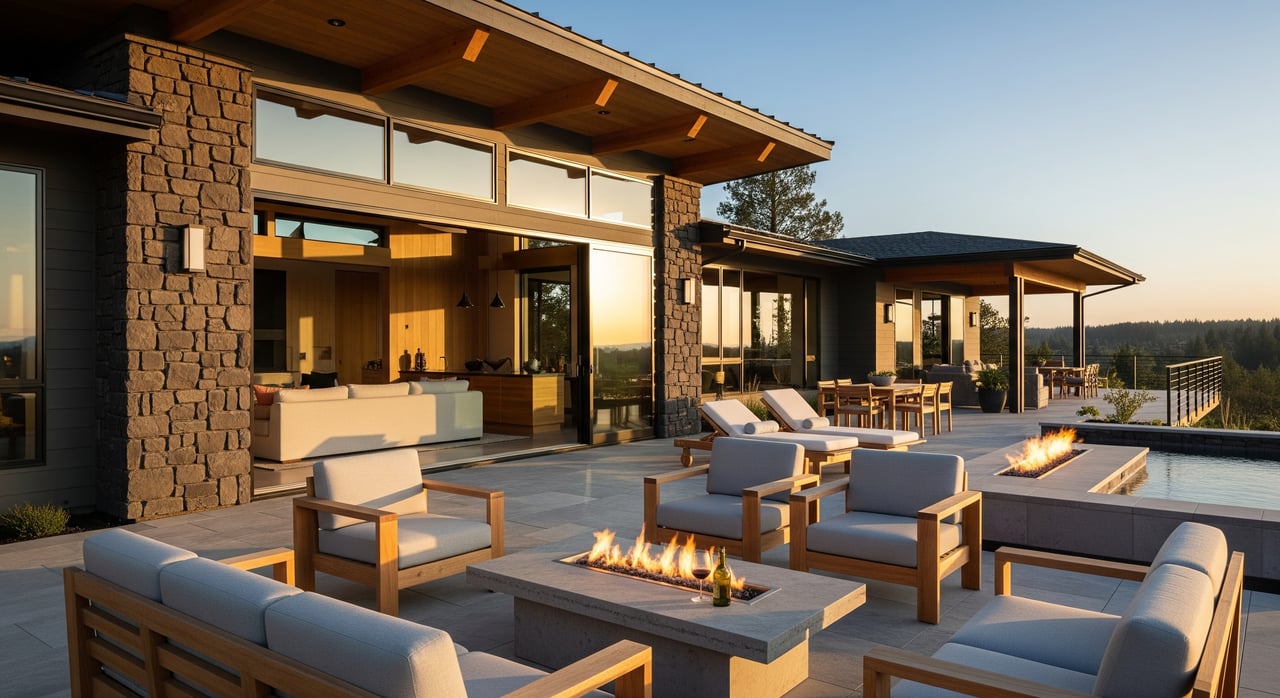
Struggling to pick the right Bend neighborhood? You are not alone. With great trail access, diverse micro-areas, and changing traffic patterns, it can be hard to connect your priorities to a place that feels like home. This guide gives you a simple, step-by-step way to narrow the options, plan efficient tours in any season, and score each neighborhood with confidence. Let’s dive in.
Step 1: Define your top priorities
Start with your top 3 to 5 must-haves. Keep the list short so it drives clear tradeoffs.
Common priorities to consider:
- Housing budget and typical home size that fits your lifestyle
- Commute time tolerance and the routes you will use most
- Lot size or low-maintenance yard needs
- Built form preference: walkable urban core, suburban, or rural
- Recreation access: trailheads, river, skiing, or bike routes you will use often
- School assignment and childcare access (verify by address)
- Maintenance burden: snow, driveway slope, irrigation, and HOA rules
Give each priority an importance score from 1 to 5. You will use these weights later to score neighborhoods and individual homes.
Step 2: Map your priorities to Bend’s micro-areas
Bend does not have strict neighborhood boundaries, so locals often describe micro-areas by landmarks and lifestyle. Use these summaries to identify 3 to 5 areas that match your goals.
Downtown, Drake Park, and Old Bend (Central)
Older bungalows, condos, and townhomes create a walkable core close to dining, arts, and events. Commutes inside Bend are generally short due to the central location. You are close to the Deschutes River Trail and parks, which is ideal if you value biking or walking to daily needs. Expect higher prices per square foot, smaller lots, and less yard maintenance.
Old Mill District and River West (Westside)
A mix of townhomes, riverfront options, and newer single-family homes lines a vibrant recreation corridor along the Deschutes. Commute access is central, with quick reach to downtown and westside employers. Recreation stands out, with river access, parks, and bike trails nearby. Great for lifestyle buyers who want activity without a large yard.
Northwest Crossing and Northwest Bend
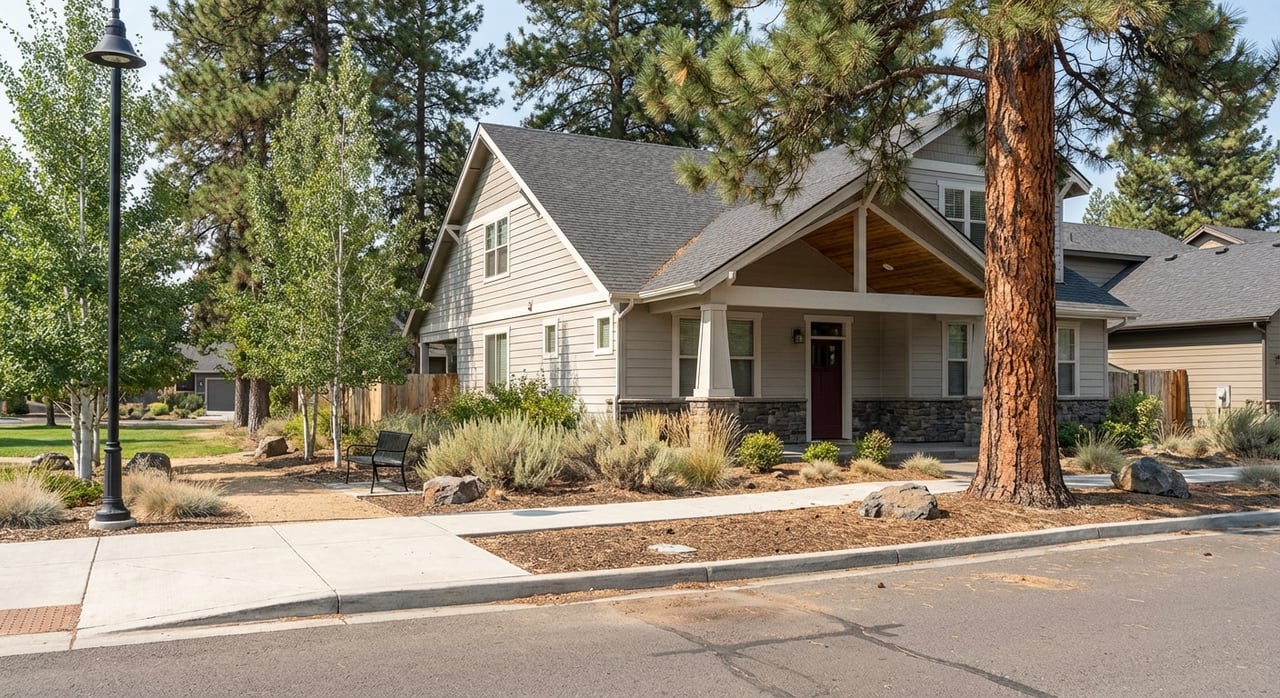
A master-planned feel with mixed housing, newer construction, and cottage-style homes. The vibe is community oriented, with parks, greenways, and local shops. Commutes are reasonable to westside tech and health employers, and central access is workable. You will be near Shevlin Park and the Phil’s Trail network, which is a draw for cyclists and runners.
Awbrey Butte, Awbrey Glen, Baxter, Country Club
Larger lots, luxury homes, and planned communities offer privacy and Cascade views. Commutes into downtown or the westside are short to mid in length. Recreation includes golf access, bigger yards, and nearby trailheads. Expect higher prices and a quieter, upscale feel.
Northeast Heights and NE Bend
Newer subdivisions and single-family homes deliver suburban comfort and good value per square foot. You will have quick access to retail along Highway 20 and NE 3rd, which can be busy at peak. Recreation includes larger parks and access to Pine Nursery Park, with trail options further east. This area often appeals to growing households that value more space.
Southeast Bend and Lava Ridge area
Newer subdivisions and some rural parcels as you move out. Commutes often use the Highway 97 corridor, which is convenient for south industrial or retail jobs but longer to the core. Recreation includes access to Pilot Butte and trail systems with a drive. Many buyers choose SE for newer construction and value.
Southwest Bend and country pockets near Tumalo
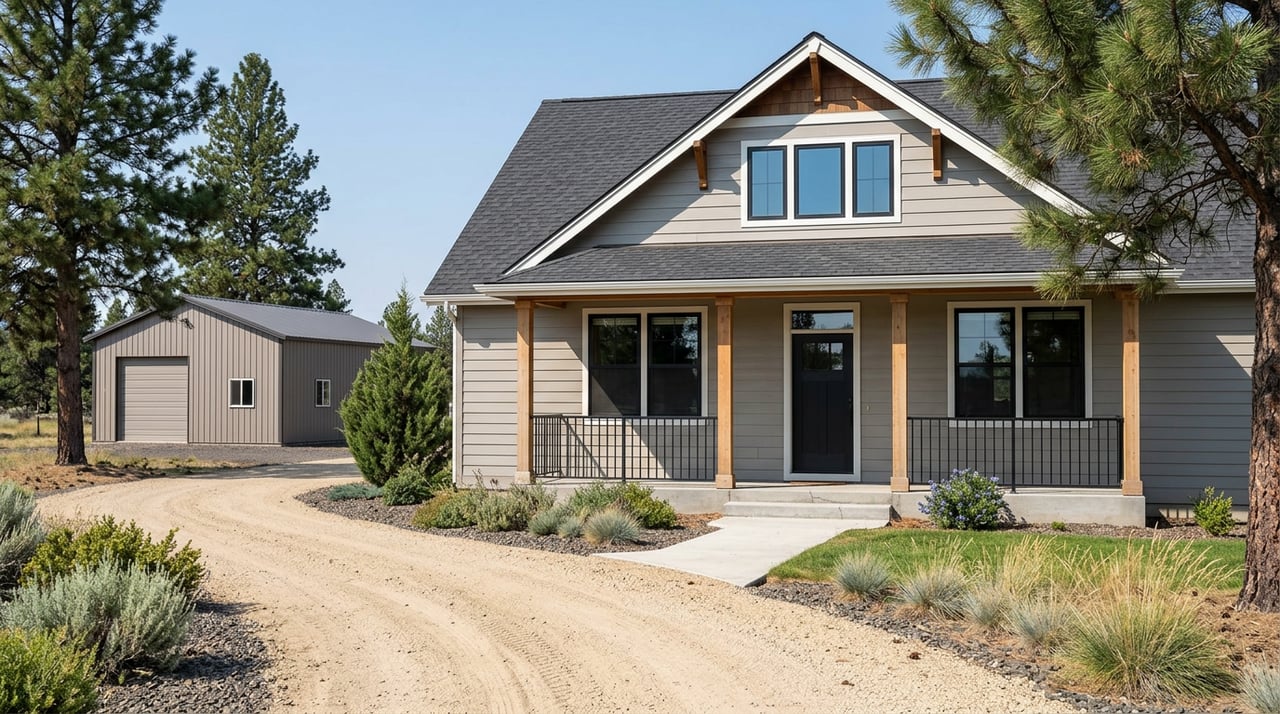
You will find larger lots, semi-rural properties, and quiet streets, with some gravel roads further out. Commutes to downtown can be longer, which suits remote workers or those who do not mind a daily drive. Recreation is excellent, with quicker access to Tumalo Falls, mountain bike trailheads, and wide-open spaces. Pricing varies based on acreage and improvements.
Bend outskirts: Tumalo and Sisters area
These nearby towns deliver rural lifestyle and larger acreage. Expect 20 to 50 minute commutes that can stretch in winter. Recreation access is outstanding, from river corridors to national forest access. This is a strong match if you prize land and outdoor access over short drives.
Step 3: Preview homes and routes online
Before you tour, do a quick virtual scan to avoid surprises later.
- Commute and conditions. Check live routing during your typical AM and PM windows and note alternate routes. For winter and incident updates, use ODOT TripCheck. Commute times vary with weather and events, so compare a few days.
- Trails and parks. Use the Bend Park & Recreation District map resources to see how far your shortlist sits from parks, river access, and trail networks.
- School assignment. Confirm the assigned schools for specific addresses with Bend-La Pine Schools. Boundaries can change, so always verify.
- Snow plow routes. If winter reliability matters, review the City of Bend snow plow information and note if your target streets are on or near arterial plow routes.
Tip: Save commute screenshots and notes in a folder for each neighborhood so you can compare after touring.
Step 4: Plan efficient in-person tours
Group showings along a single corridor to reduce backtracking. If you will compare westside and eastside options, tour one side per day. In winter, aim for mid-day visits when roads are often clearer and homes have better light.
Build a buffer of 15 to 20 minutes between showings to account for traffic and de-icing. Have your agent request disclosures, recent utility bills, and winter maintenance records in advance so you can focus on key issues once you arrive.
Winter touring essentials
Winter changes how homes live day to day. A focused plan will keep you safe and informed.
Pre-trip logistics
- Check highway and city updates with ODOT TripCheck before you head out.
- Time tours for mid-day when possible, and avoid early morning ice.
- If touring rural properties, share your route and schedule with a friend or your agent.
Vehicle and personal gear
- Use an AWD or 4WD vehicle when available, and carry chains for mountain routes.
- Wear waterproof boots with good traction, and bring microspikes if driveways are steep.
- Pack a flashlight or headlamp, plus a small shovel in case entrances need clearing.
On-site checks that matter in winter
- Driveways and street grading. Note slope and where snow stacks. Ask who clears the street and driveway, such as city, county, HOA, or homeowner.
- Roof and eaves. Look for icicles, uneven melting, and signs of ice dams in gutters.
- Systems and utilities. Confirm the furnace is running and ask for recent service records. Check for drafts around windows and doors, and inspect exposed pipes in garages or crawlspaces.
- Drainage and culverts. Note where water pools and where ice forms.
- Parking and access. Verify that snow storage will not block driveways or sightlines.
Step 5: Score each neighborhood and home
A simple scoring system keeps decisions clear when options start to blend together. Use the worksheets below to turn your top priorities into a comparable score.
Priority weighting worksheet
- List your priorities: commute time, budget, bedrooms, yard size, walkability, trail or ski access, school assignment, HOA tolerance.
- Assign each priority an Importance score from 1 to 5.
- During tours, give each neighborhood or home a Fit score from 1 to 5 for every priority.
- Multiply Importance by Fit to get a subtotal. Add subtotals for an overall score.
Neighborhood shortlisting matrix
Create a one-page grid with these fields:
- Neighborhood name
- Primary vibe and typical housing stock
- Commute to work or school (your time window and two route options)
- Closest major recreation and typical drive time
- Assigned schools and childcare options to verify
- Snow or slope considerations
- Qualitative price band
- Overall score
Winter tour scorecard
Use this quick rubric on site, then photograph it for your notes:
- Exterior: driveway slope (0–5), street plowing (0–5), roof condition cues (0–5), lot drainage (0–5)
- Systems: furnace age or operation (0–5), window insulation quality (0–5), garage utility access (0–5)
- Walkability and services: grocery or healthcare proximity (0–5)
- Recreation access: immediate trail access (0–5), quick drive to mountain or river (0–5)
- Overall feel and noise (0–5)
Normalize your totals to 0–100 and give extra weight to your top three priorities. This helps break ties and keeps decisions aligned with what matters most to you.
Commute, schools, and daily services
Bend’s main corridors are US 97 for north-south and US 20 and Century Drive for east-west connections. Peak congestion can occur along NE 27th, Galveston and 3rd Street, and sections of US 97 near major intersections. Always run live checks during your typical commute windows and compare two routes.
Transit riders should review Cascades East Transit routes and schedules before touring. If winter reliability is a concern, note whether your street is near an arterial plow route using the City of Bend snow plow information.
School assignment runs through Bend-La Pine Schools and depends on the specific address. Verify boundaries and any planned changes with Bend-La Pine Schools. If childcare access is important, call preferred centers in advance to ask about waitlists.
For healthcare access, many buyers consider proximity to major providers and urgent care. If that matters to you, add it as a scored item in your worksheet.
Recreation access by lifestyle
What you like to do outside should shape where you live inside Bend.
- Mountain biking and trail running. Northwest Crossing, River West, and Northwest Bend provide quick reach to the Phil’s Trail network and Shevlin Park. Expect smaller lots or higher prices in exchange for proximity to trailheads.
- River access and SUP. Downtown, River West, and the Old Mill District sit near the Deschutes River Trail and river put-ins, which is great if you paddle or run the loop.
- Skiing and alpine lakes. Buyers who head to Mt. Bachelor or the Cascade Lakes often prefer south and southwest corridors that offer a straightforward drive to mountain access. If you ski often, prioritize neighborhoods with simple highway connections and adequate garage space for gear.
- Acreage and privacy. Southwest Bend and country areas near Tumalo deliver space and quiet, then balance that with a drive to trailheads or town.
Use the Bend Park & Recreation District resources to visualize your weekend routine against neighborhood options.
Step 6: Review, refine, and request targeted data
After a day of tours, compare scores and talk through the tradeoffs. Then ask your agent for focused data on your top contenders.
Key questions to ask:
- Market and inventory. What is the current median list price trend over the last 6 to 12 months, and what are typical days on market and seller concessions for this micro-area?
- Neighborhood specifics. Are there developments or rezonings planned that could affect traffic or views?
- Comparables. Can we review recent closed and pending sales for context?
- Schools and services. What are the assigned schools for this address, and are any boundary updates pending? Where are the nearest urgent care and grocery options?
- Seasonal and maintenance. Who is responsible for snow removal on the street and driveway? Any reported history of ice damming or drainage issues?
- Home systems and disclosures. Can we obtain furnace service records, winter utility bills, and CC&Rs with HOA fee schedules and snow policies?
- Logistics. Can we schedule mid-day winter tours and, if needed, arrange a pre-inspection check of the heating system?
What to do next
You now have a clear plan to choose the right Bend neighborhood based on how you live, work, and play. If you would like ready-to-use worksheets, a tailored tour plan, or current neighborhood data, reach out to Karen Whiteid. You will get high-touch guidance backed by deep local expertise and a process that keeps decisions clear and low stress.
FAQs
How should I balance commute time and yard size in Bend?
- Start with a weighted worksheet that scores commute and lot size at higher importance, then compare two route options for each area during your actual peak hours.
Which Bend areas are closest to mountain biking trailheads?
- Northwest Crossing, River West, and Northwest Bend typically offer the quickest access to the Phil’s Trail network and Shevlin Park based on local geography.
What winter factors should I consider when choosing a Bend neighborhood?
- Check street slope and plow priority, driveway grading, roof and gutter conditions, and who handles snow removal, then verify winter commute reliability with ODOT TripCheck.
How do I confirm school assignments for a specific Bend address?
- Use the official resources from Bend-La Pine Schools to verify boundaries and ask about any planned updates.
Is public transit a realistic option in Bend for daily commuting?
- Some corridors are served by fixed routes, so review regional schedules before you decide, then test whether timing aligns with your work or school hours.
What is the best way to plan home tours when snow is in the forecast?
- Group showings by corridor, aim for mid-day windows, allow buffer time for travel, and bring winter gear and a simple scorecard to capture issues before you leave each property.
Which neighborhoods suit frequent skiers who want quicker mountain access?
- Buyers who ski often tend to prioritize south or southwest corridors that make the mountain drive more direct and predictable during winter conditions.