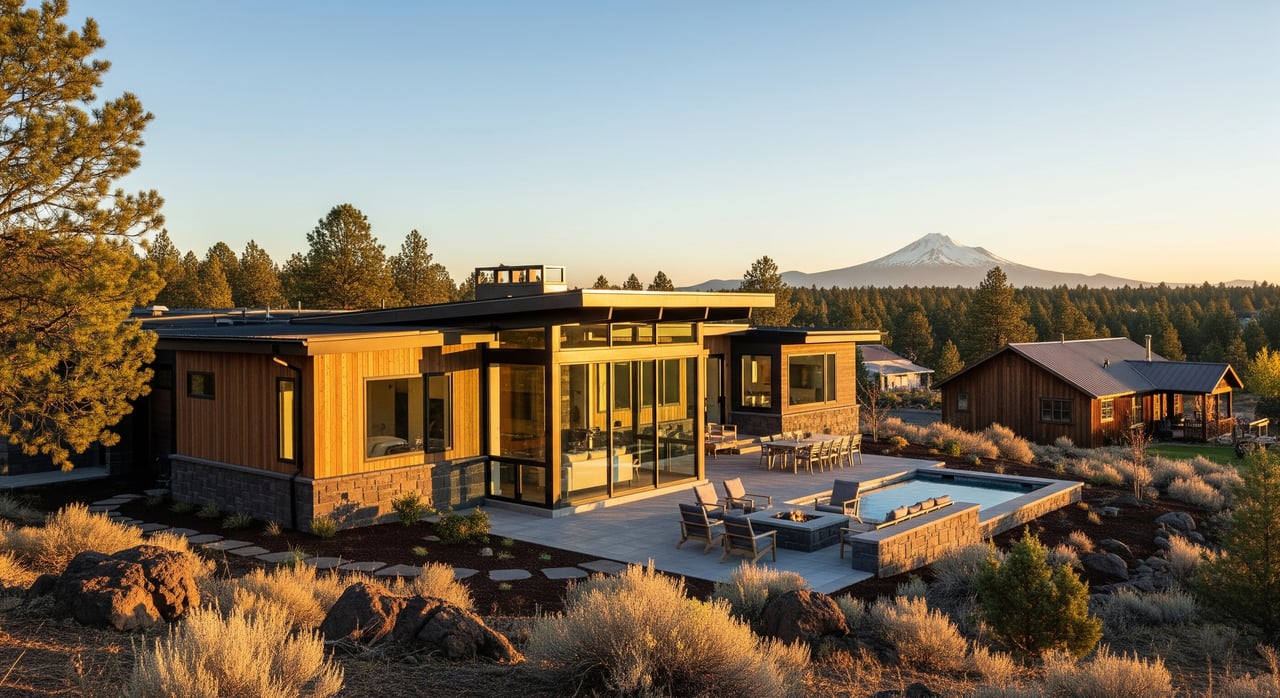
New Construction vs Resale Homes in Central Oregon
December 18, 2025
December 18, 2025
Trying to decide between a brand‑new build or a resale home in Redmond this winter? You are not alone. Central Oregon’s cold nights, snow, and dry climate make the choice more nuanced than it looks at first glance. In this guide, you will learn how new construction and resale homes compare on energy efficiency, warranties, timelines, and site considerations that matter in Redmond and wider Deschutes County. Let’s dive in.
Central Oregon sits in a high‑desert climate with cold winters, measurable snowfall, and big temperature swings. In Redmond, you will feel the impact of freeze and thaw on foundations, roofs, and plumbing. Wildfire exposure and wind also shape design choices and insurance.
Because of this, focus your comparison on four essentials: heating performance, the quality of the building envelope, snow and roof design, and the move‑in timeline. Utility availability, site drainage, and wildfire hardening are close behind.
New homes are built to the most recently adopted residential and energy codes. That usually means higher baseline insulation, tighter air sealing, and modern windows that reduce heat loss. Many builders now install cold‑climate heat pumps that are designed for our region’s winter temperatures.
You also get the benefit of new systems that are sized to the house, fresh ductwork, and integrated mechanical design. Warranty coverage adds peace of mind, since builders commonly include workmanship, systems, and structural protection. Exact terms vary by builder, so always review the warranty documents.
New construction typically takes months to a year or more from contract to move‑in. Winter weather can delay excavation, concrete work, exterior finishes, and material deliveries. If you need to occupy quickly this season, a resale home is usually the faster route.
Early‑life punch‑list items are common, and quality can vary by builder and subcontractors. Newer lots may also involve utility extension fees and development standards that affect landscaping and exterior materials. Ask about the construction schedule, winter protection plans, and remedies for delays.
Resale purchases generally close in 30 to 60 days, which can be a big advantage in winter. You can often review past utility bills, maintenance records, and inspection reports to understand real‑world performance. Existing connections for power, water, and gas or propane mean hookup timing is known.
You can also target upgrades over time. Many resales benefit from cost‑effective improvements like added attic insulation, air sealing, window upgrades, or a modern heat pump to cut winter bills.
Resale quality varies widely by age and maintenance history. Older homes are often less insulated and leakier than current code homes. Pay close attention to roof condition, attic ventilation, and signs of ice dams or moisture.
Order a comprehensive home inspection and consider specialty inspections for roof, HVAC, chimney, or sewer. Review seller disclosures, permit history, and winter utility bills. Budget for mechanical replacements if systems are nearing end of life.
Modern codes raise the floor on insulation levels, air sealing, windows, and mechanical efficiency. Performance frameworks like the HERS index and ENERGY STAR are commonly used to compare homes. New builds often achieve better scores because they start with improved envelopes and systems.
In our climate, attic insulation depth and a continuous air barrier make a big difference in comfort and ice‑dam prevention. Walls with continuous insulation or insulated sheathing reduce cold spots. Multi‑pane, low‑E windows installed correctly help keep heat in and drafts out.
Air leaks are one of the fastest ways to lose heat. Newer homes usually perform better here, while targeted air‑sealing retrofits in resales can deliver strong returns for the cost.
Many new homes in Central Oregon use cold‑climate heat pumps, ducted or ductless, for efficient heating and cooling. These systems work well in winter when sized correctly and paired with a tight envelope. Resale homes may have older gas furnaces, electric resistance heat, heat pumps that are due for replacement, or pellet and wood stoves.
If you are buying a resale, a heat‑pump retrofit can be a smart step. Check electrical service capacity, duct condition, and available incentives from local programs early in the process to plan your budget.
New homes commonly include a 1‑year warranty for workmanship and materials, a 2‑year warranty for systems like HVAC, plumbing, and electrical, and a 10‑year structural warranty for load‑bearing elements. Manufacturer warranties for appliances, windows, and roofing also apply. Ask for the written warranty document, the claims process, and transferability details.
For resales, your primary protections are inspections and seller disclosures required by Oregon law. You can also purchase a home‑warranty plan that covers certain systems and appliances for the first year. Thorough due diligence is key, especially for older properties or homes with complex mechanicals.
New construction timelines depend on permitting, site prep, weather, and builder backlog. Winter conditions can slow ground work, exterior finishes, and material schedules. If you plan to move in during winter, confirm temporary heat provisions, plumbing protection, and how the builder will commission the heating system.
Resale homes typically offer a clearer, faster path to occupancy. If you are relocating on a tight timeline or your lease is ending soon, a resale may be the best fit. If you have flexibility and want modern efficiency and warranties, new construction can be worth the wait.
New builds on undeveloped lots may require utility extensions, tap fees, and frontage improvements. Check local fee schedules and policies with the appropriate building and planning offices before you set your budget. Neighborhood standards or homeowners associations may also guide exterior materials and landscaping.
Operating costs are usually lower in well‑built new homes because of better envelopes and equipment. That said, actual bills vary with system sizing and how you use the home. In higher‑risk wildfire areas, homes with ignition‑resistant materials and defensible space may see better insurance options. Always verify insurance availability for the specific address.
You deserve clear answers and a plan that fits your goals. With deep local knowledge of Redmond and broader Deschutes County, plus experience across resale, land, and new construction, I help you compare options side by side. You get pragmatic guidance on inspections, warranty documents, construction timelines, and energy upgrades so you can move forward with confidence.
If you are weighing new construction against resale this winter, let’s talk through your timing, budget, and wish list. Reach out to Karen Whiteid for a personalized consult and a focused search that matches how you want to live in Central Oregon.
Explore Karen’s take on the market, local events, and helpful homeowner resources.
Karen offers custom solutions tailored to your goals, every step of the way.