East Bend Or West Bend? How Home Styles And Lifestyles Compare
March 24, 2026
March 24, 2026
Trying to decide between East Bend and West Bend? You’re not alone. Many buyers narrow their Bend search to one side of the Deschutes River and US‑97 because day‑to‑day life can feel different from block to block. In this guide, you’ll see how home styles, lot sizes, trails, shopping, medical access, and commutes compare so you can choose with confidence. Let’s dive in.
Locals often use the Deschutes River and US‑97 as the practical line between West Bend and East Bend. West of the river and parkway, you’ll find much of Bend’s historic core, river access, and walkable pockets near Downtown and the Old Mill. East of the corridor, you’ll see more newer subdivisions, lower‑density pockets, and larger lots with quick access to major services along Highway 97. Boundaries can blur near midtown, so focus on how you’ll live day to day rather than a hard map line.
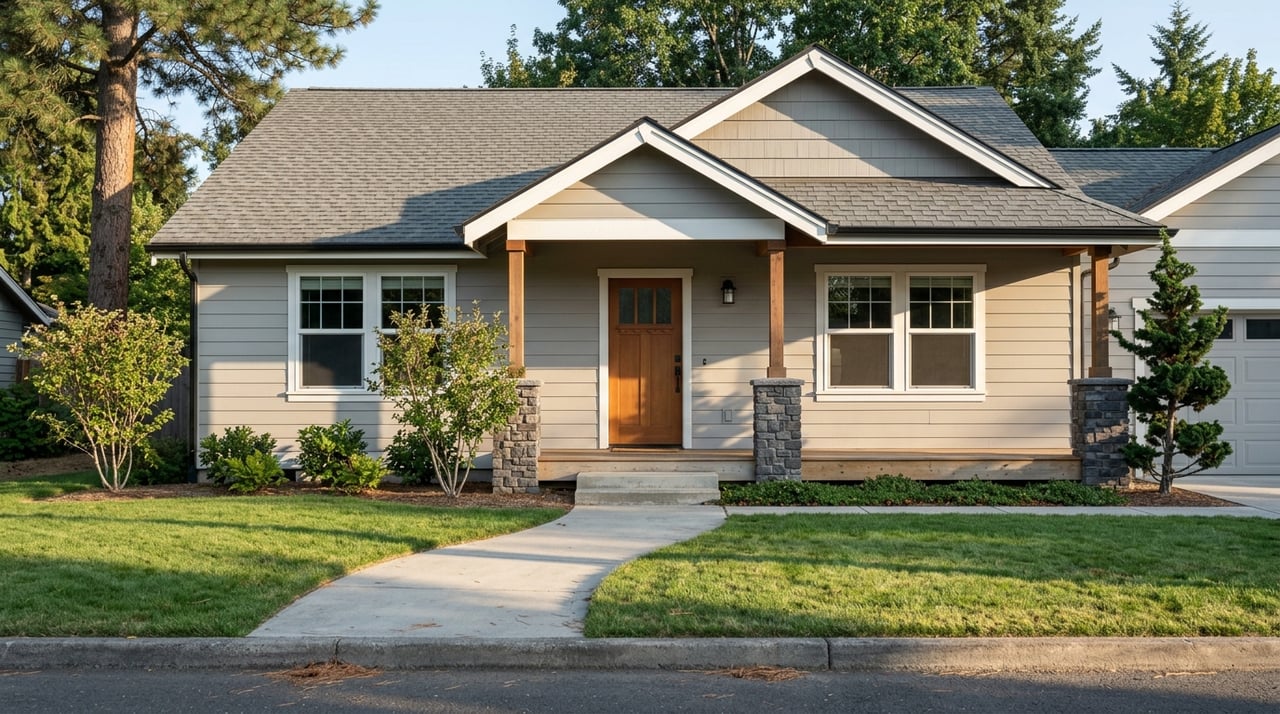
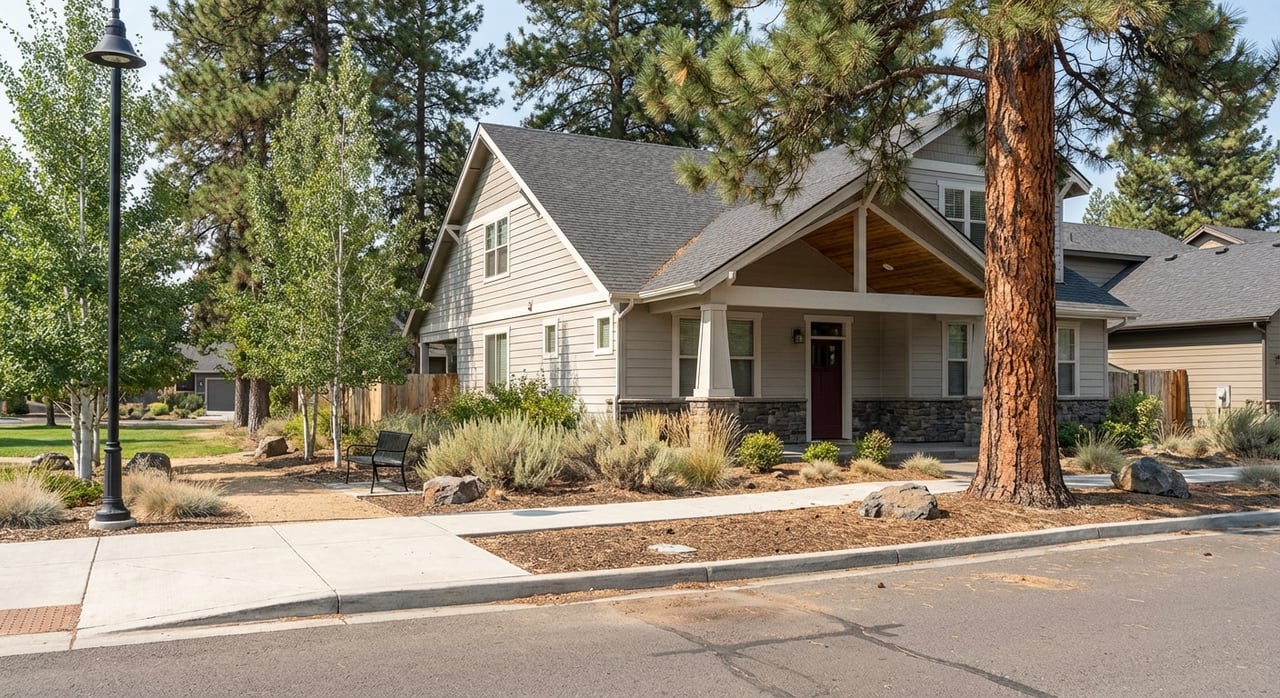
On the west side, older neighborhoods near Downtown and the river mix early 20th‑century cottages and Craftsman bungalows on smaller urban lots. Renovations are common, and proximity to parks and river trails drives demand. Farther west and north, view neighborhoods like Awbrey Butte and Summit West offer many custom homes, mid‑to‑large lots, and Cascade vistas. Master‑planned communities such as NorthWest Crossing and Discovery West were built around walkability, with compact blocks, pocket parks, and neighborhood retail.
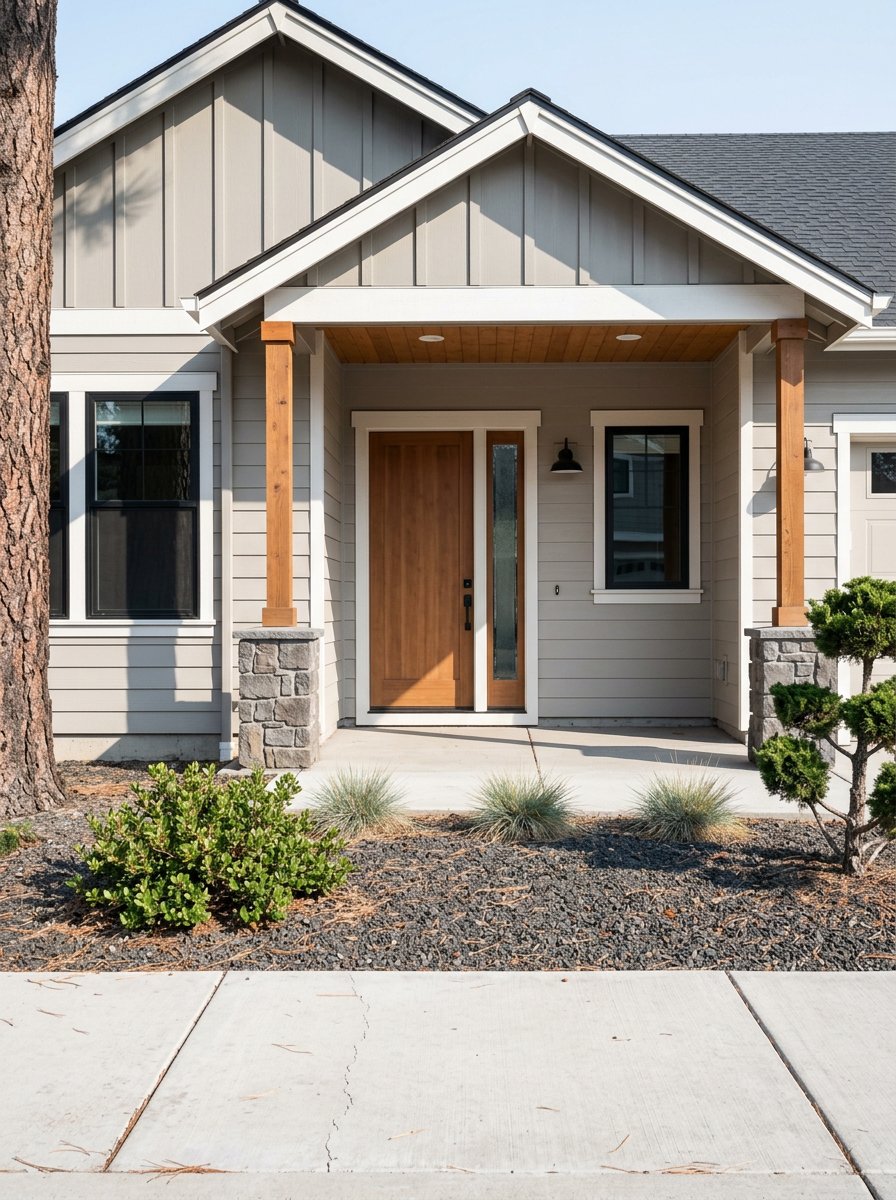
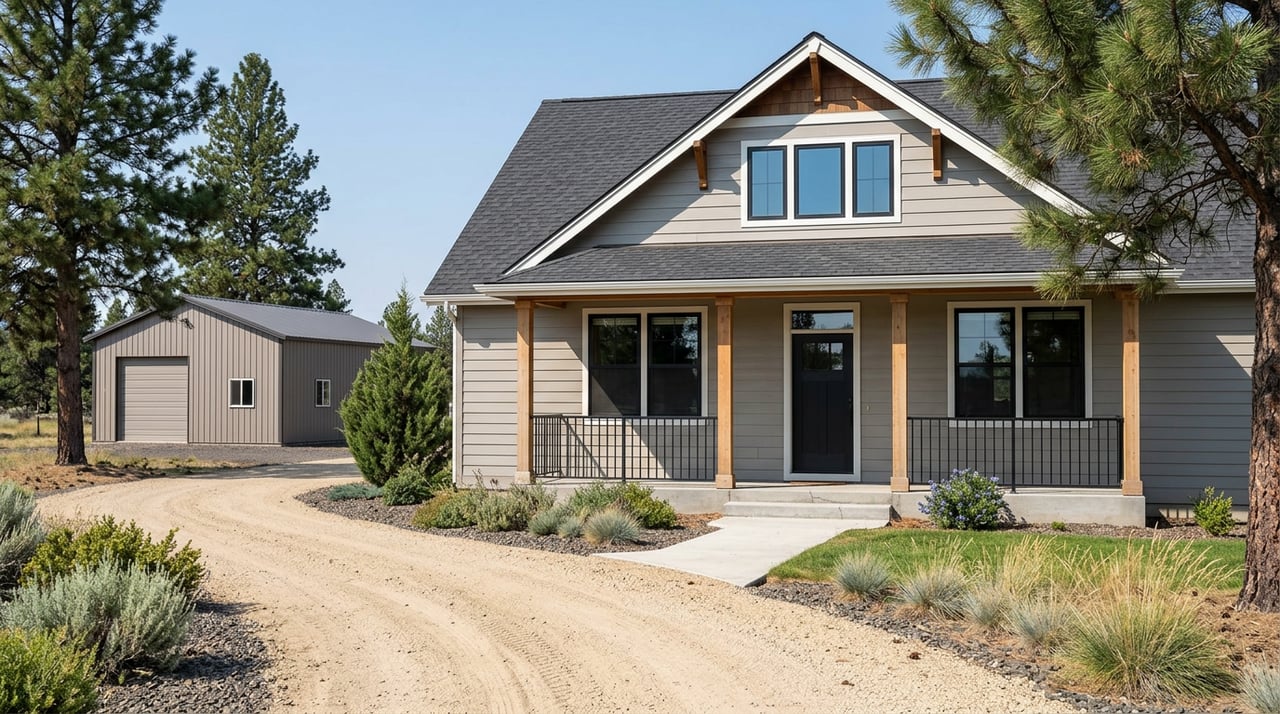
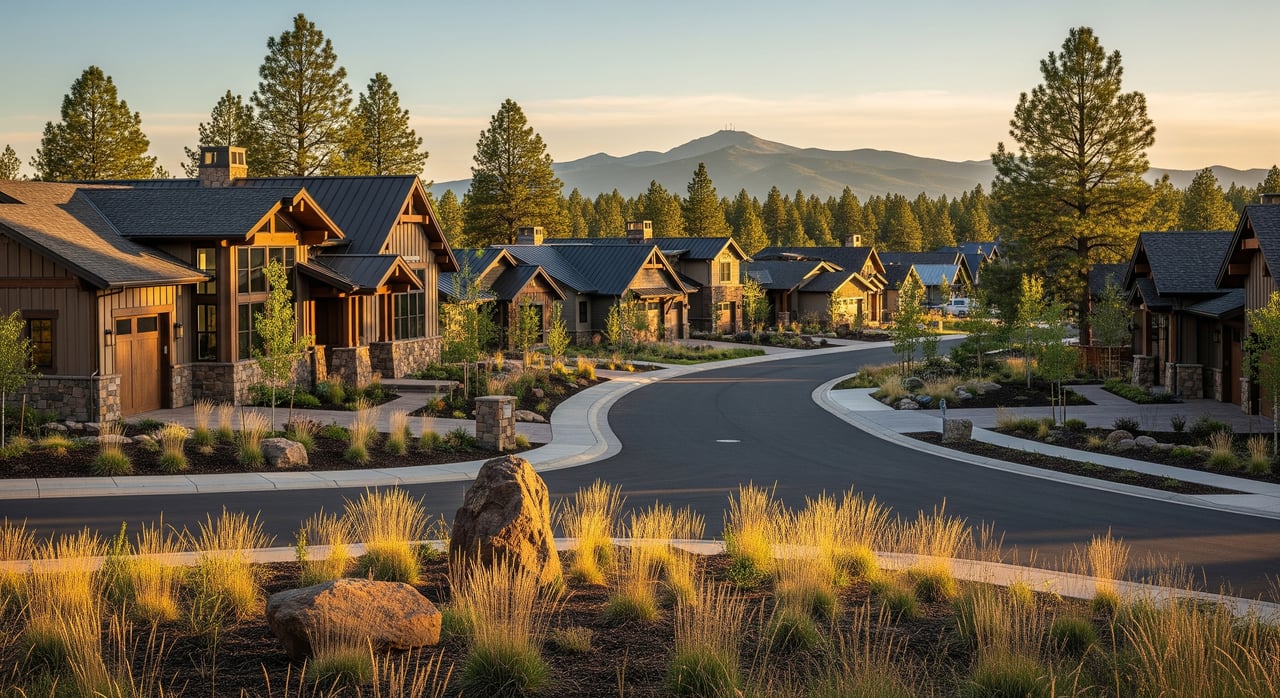
East Bend trends newer overall, with many post‑1990 subdivisions and a more suburban layout. Neighborhoods like the Old Farm District, Larkspur, Southeast Bend, and Boyd Acres include lower‑density streets and larger lots, including some half‑acre pockets. These areas can suit buyers who want space for gear, workshops, or accessory buildings within city limits. Closer to midtown and the Orchard District, you’ll find a mix of older homes and newer infill near major corridors.
Bend home prices change monthly, but a useful context point is that the city’s median has been in the high‑six‑figure range. For example, as of February 2026, Redfin reported a median sale price of about $697,000. West Bend often includes some of the market’s premium enclaves along the river and on view ridges, while East Bend offers a broad range of price points and lot sizes. The key is to compare by neighborhood and property type since both sides include entry‑level options and high‑end homes.
If walk‑to trails and river time matter, West Bend puts you close to the Deschutes. Segments of the city’s multi‑segment river path connect parks, put‑ins, Downtown, and the Old Mill. Explore the network on the Bend Park & Recreation page for the Deschutes River Trail. Farther west, Shevlin Park spans roughly 981 acres with loops for trail running and hiking and links to popular mountain bike singletrack on Forest Service land. Neighborhoods that back toward Shevlin and the northwest trailheads offer some of the easiest access to that network.
On the east side, Pilot Butte stands out as an in‑town cinder cone with a summit and loop trail, making quick hikes and sunrise or sunset views part of your routine. East and midtown neighborhoods nearby often enjoy short drives to this landmark. Parks and multi‑use paths are growing across East Bend as development continues, giving you more choices for close‑to‑home outings.
If you want a built‑in evening scene, the Old Mill District offers a compact riverside mix of retail, dining, and events. Its central location makes it an easy hop from many west‑side neighborhoods. Check out the Old Mill District’s shops and events to get a feel for the area.
East and northeast Bend concentrate much of the city’s grocery, big‑box, and service retail along or near Highway 97. That cluster makes errand runs efficient and keeps you close to major services. St. Charles Health System’s main Bend campus sits at 2500 NE Neff Road, a major anchor for emergency and specialty care; learn more at St. Charles Healthcare. If quick access to medical providers is important, proximity to this campus can be a deciding factor.
US‑97 is Bend’s primary north‑south artery, and east‑west travel relies on collectors like Reed Market Road and 3rd Street. Your side of town influences which corridor you’ll use most. The City of Bend has secured federal funding for a Reed Market Road railroad overpass that is expected to reduce train‑related delays on a key east‑west route, which could materially improve Southeast Bend commuting once built. Read local coverage of the award from The Bulletin: Bend awarded $32 million for Reed Market overcrossing, and see the City’s project page for updates: Reed Market Bridge project information.
Public transit continues to evolve. Bend has tested on‑demand micro‑transit in the downtown and Old Mill area through OSU‑Cascades’ Mobility Lab. For context on that pilot, review the Ride Bend program summary. Always check current routes and schedules when commute reliability is a priority.
Use this simple checklist to narrow your search:
List your daily routines. Note where you work, shop, and exercise. Circle the side that reduces your weekly drive time.
Prioritize home features. Decide whether smaller walkable lots or larger suburban lots better fit your lifestyle now and in five years.
Test your commute. Drive your likely route at peak times on two weekdays. Factor in winter conditions when relevant.
Walk the nearby trails and hubs. Stroll a segment of the Deschutes River Trail or spend an hour in the Old Mill to gauge how often you would use those amenities.
Verify details. Confirm lot sizes, zoning, and any neighborhood association guidelines for your short‑list addresses. Double‑check school boundaries with the Bend‑La Pine School District for the specific property you choose.
Get local advice. A short consult can save you weeks of searching and help you compare micro‑neighborhoods with similar price points.
Curious which side fits your goals and budget right now? Reach out to Karen Whiteid for a brief consult or a personalized valuation. You will get clear next steps and a curated list of matches that fit how you live.
Explore Karen’s take on the market, local events, and helpful homeowner resources.
Karen offers custom solutions tailored to your goals, every step of the way.