Boonesborough Oregon Neighborhood Guide to Acreage Living
March 5, 2026
March 5, 2026
Ever picture quiet mornings, mountain views, and enough room for a shop or garden without giving up access to Bend? If you want space with convenience, the Boonesborough area in northwest Bend’s Tumalo corridor is worth a close look. You’ll find acreage, detached workshops, and a rural lifestyle that still keeps you within a practical drive of Bend and Redmond. In this guide, you’ll learn what life on acreage looks like here, how zoning and permits work, what to know about wells and septic, and how to plan for wildfire and insurance. Let’s dive in.
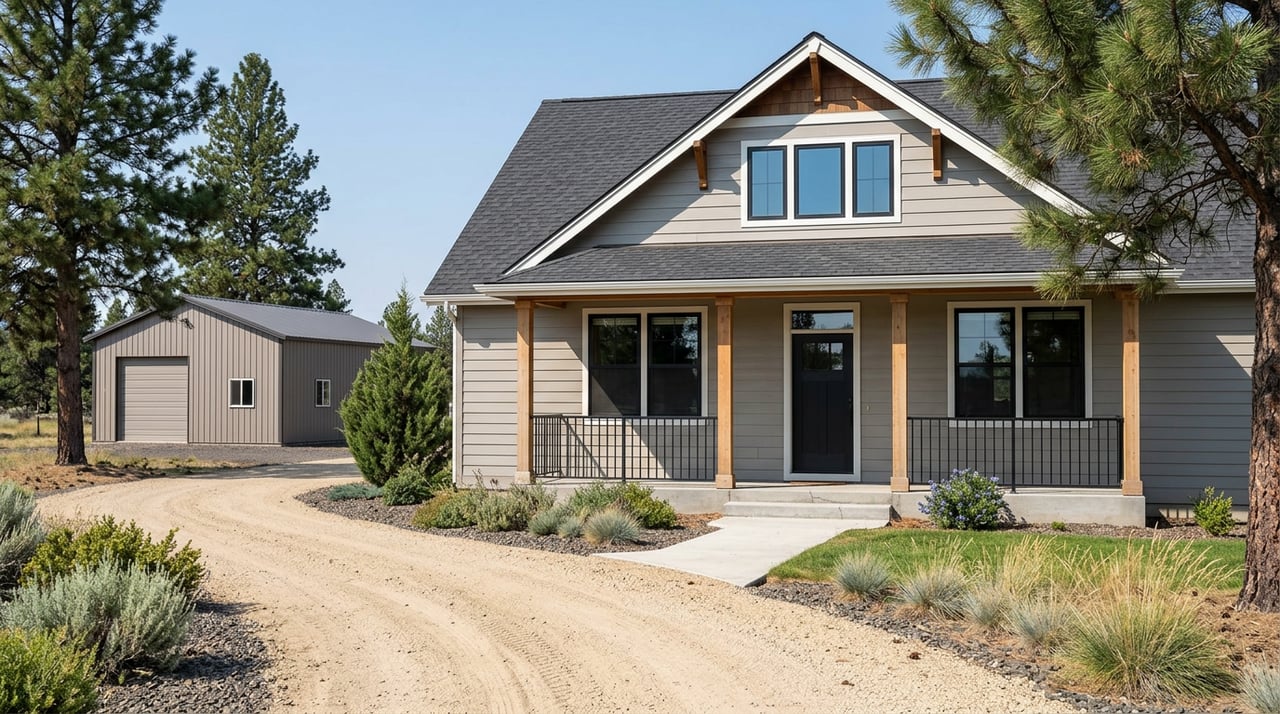
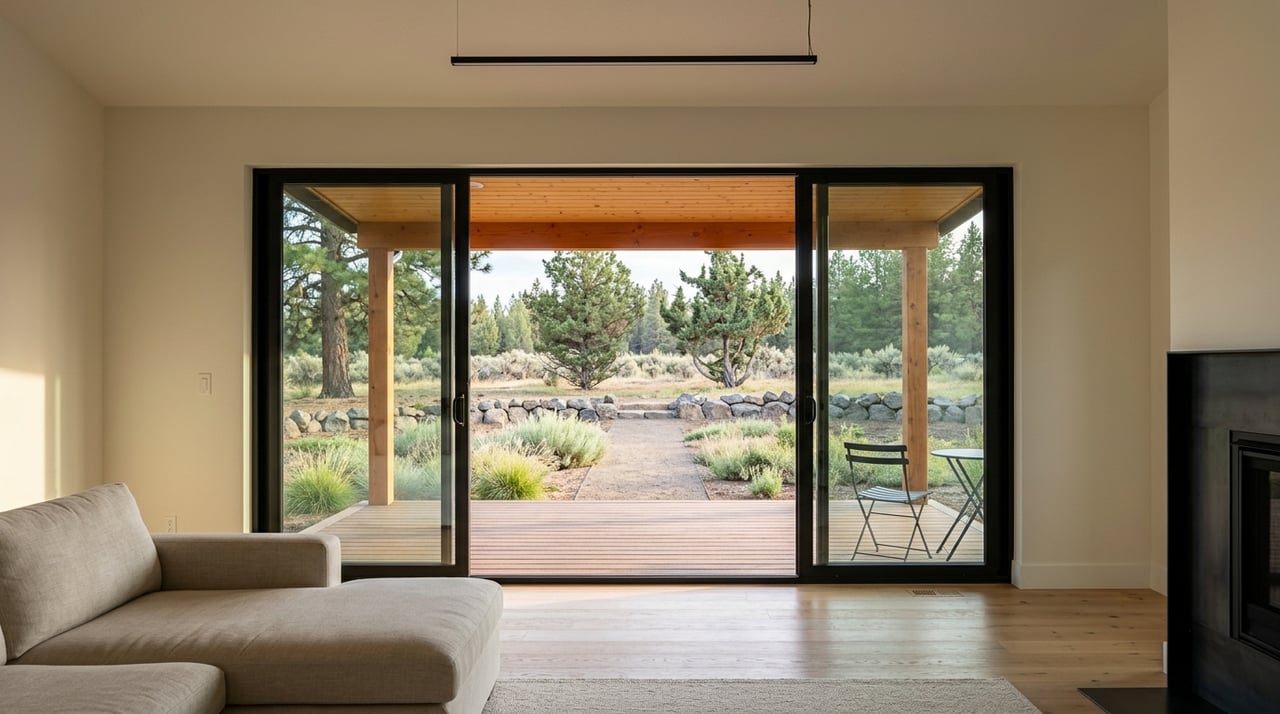
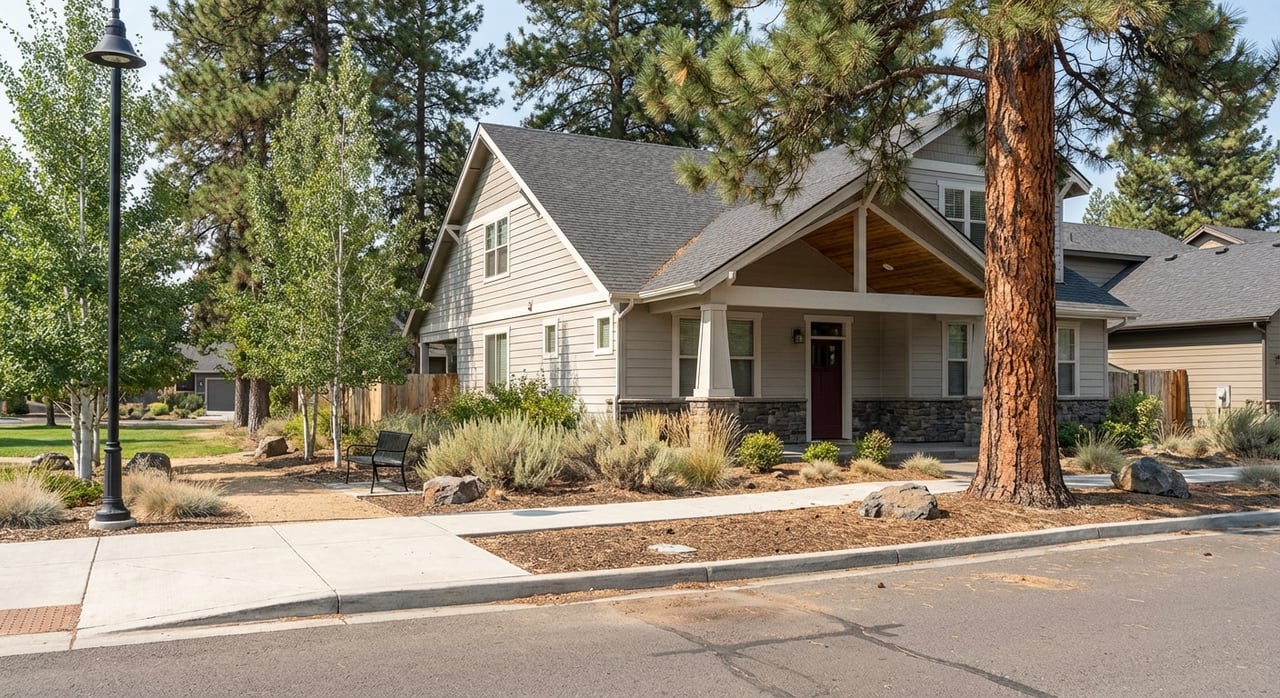
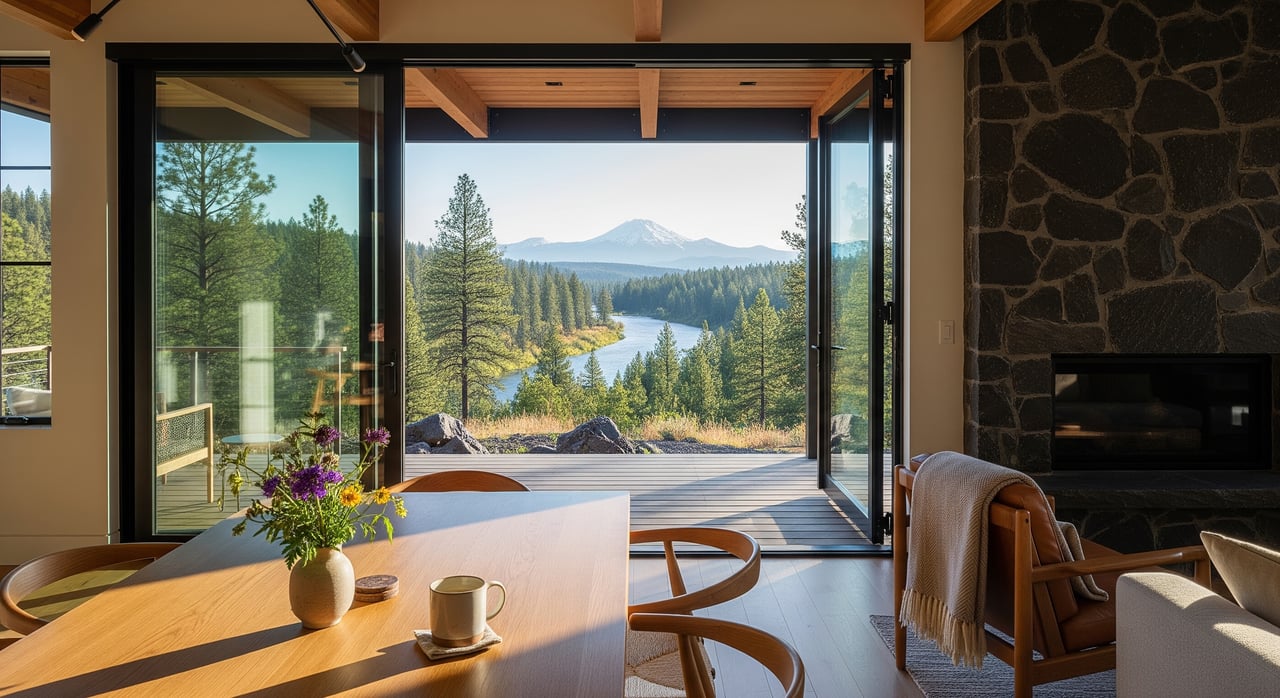
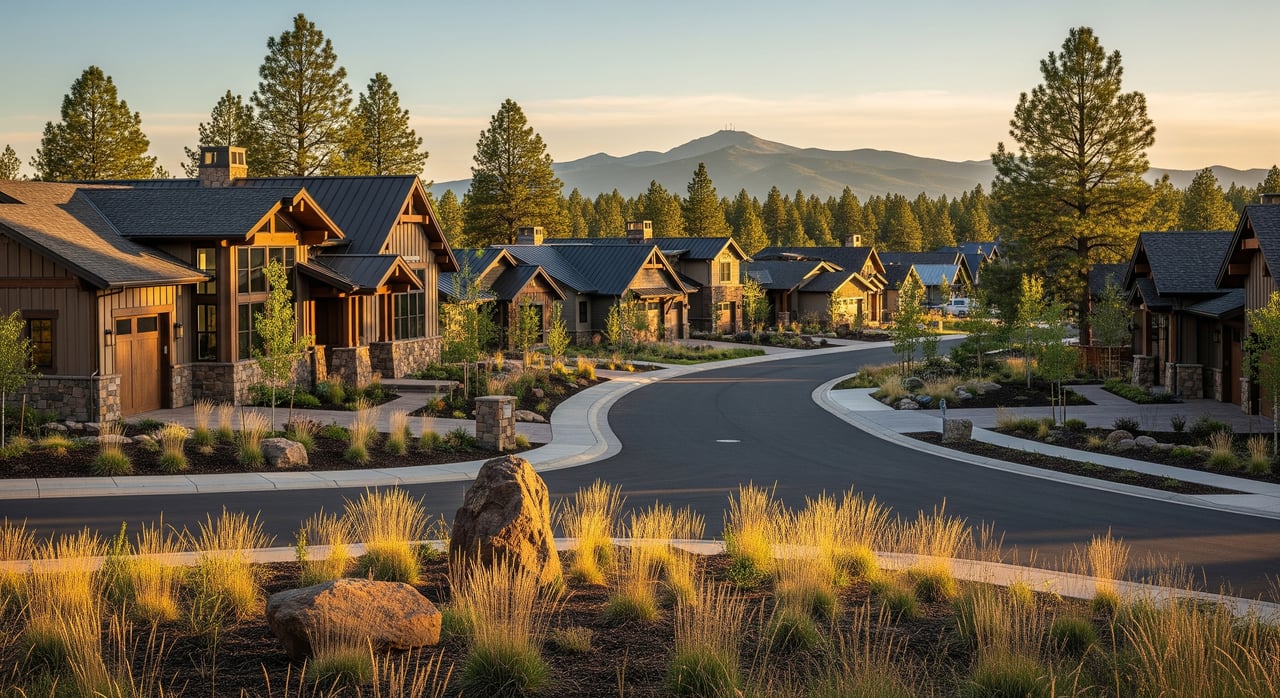
Boonesborough is a locally recognized rural neighborhood label used by residents and in MLS listings for the northwest Bend and Tumalo area. Parcels often sit on 1 to 5 acres and feature ranch‑style or custom homes, detached shops, and views toward the Cascades. Many properties back up to or sit near public lands, so trail access and river time are part of the draw.
Typical listings cite about a 15 to 30 minute drive to downtown Bend or Redmond, depending on the exact parcel and route. You get elbow room and privacy, with outings to work, schools, errands, and Mt. Bachelor still within reach.
You’ll see many parcels around 2 to 3 acres, plus larger ranchettes. Detached garages, hobby shops, and accessory structures are common. Some properties include guest spaces or ADU‑style layouts. Recent examples show 2.4 to 2.6 acre parcels with shops and flexible spaces, which gives you a good picture of the local norm.
Much of the rural residential land in this part of Deschutes County is zoned Multiple Use Agricultural, often referenced as MUA‑10. The county notes MUA‑10 supports rural residential and agricultural uses, with single‑family dwellings, certain home businesses, and accessory structures listed among the allowed uses. The county sets a 10‑acre minimum for new standard land divisions in this zone, and also explains that many existing lots were created under older rules. These “substandard” smaller lots, such as the 2 to 3 acre parcels common around Boonesborough, typically remain developable but cannot be subdivided further. You can review the county’s MUA‑10 summary in the official base zone descriptions for details and definitions.
Small accessory buildings like shops, barns, and detached garages are commonly allowed on rural residential parcels. You will still need the right permits for new construction, and you should confirm setbacks, height limits, and whether the project triggers any septic or driveway requirements. Larger commercial or industrial activities are not the same as a hobby shop and usually require specific approvals or different zoning.
Oregon law and local text amendments now allow rural ADUs in qualifying areas. Deschutes County’s adopted rules set criteria such as parcel size thresholds, fire protection connections, and septic and water compliance. A common local threshold is a 2 acre minimum for rural ADUs, with state size limits and restrictions on short‑term rental use. If an ADU is important to your plans, review the county’s rural ADU page and checklist early so you understand exactly what qualifies.
In Deschutes County, septic feasibility is often the first gate you must clear before most residential building permits are issued. The county typically requires a septic site evaluation and land use conformance checks before it processes permits for new dwellings, additions, or ADUs. Do not assume a shop, second dwelling, or conversion is automatically allowed on any specific parcel. Confirm the parcel’s development summary, septic status, and permit history with the county at the start of your due diligence.
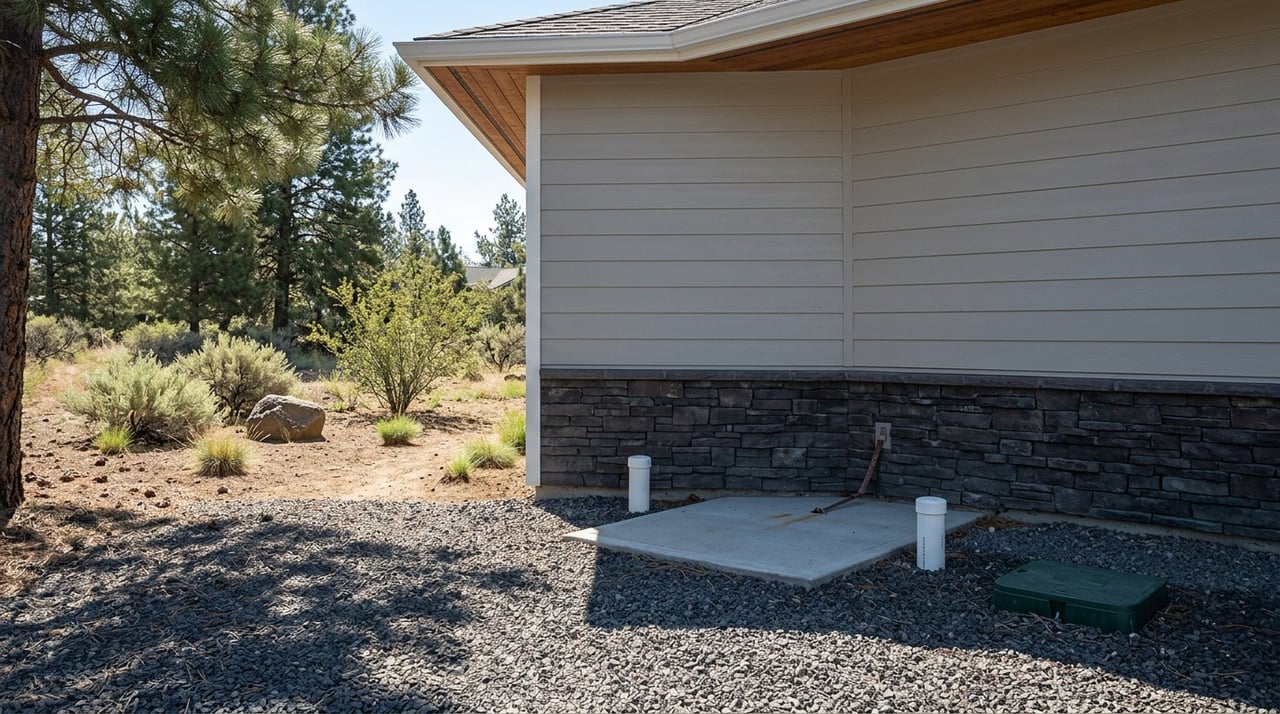
Many Boonesborough‑area homes rely on private groundwater wells and onsite septic systems. Deschutes County’s Private Well Safety Program recommends annual bacteria and nitrate testing and notes that when a property with a well is sold for domestic use, testing for bacteria, nitrate, and arsenic is required. Well yield can vary by season, so request well logs and recent test results during your offer and inspection period. Also confirm septic records and any prior repairs or expansions.
Pacific Power is a major electric provider for the Bend area, and Cascade Natural Gas serves portions of Central Oregon. Rural properties often use propane or electric heat where natural gas is not available. Trash and recycling service depends on address, provider routes, and access. Always confirm service availability and providers for the specific street address rather than assuming they extend to your parcel.
Wired broadband can vary widely on acreage. Some addresses have fiber or cable, others rely on DSL, fixed wireless, or satellite. Many rural residents use satellite options like Starlink or a local fixed wireless carrier for reliable speeds. To check availability and expansion plans, start with the Oregon Broadband Office resources and the state’s mapping tools. Rural broadband is improving through state and federal investment, but coverage is still address specific.
Properties may sit on county roads or private drives. Some drives are unpaved and can be slow to clear in winter. If you plan any new construction, driveways or road approaches might need permits, and access standards can affect approvals. Ask who maintains the road, what level of winter maintenance to expect, and whether any shared road agreements exist.
Boonesborough properties sit in Central Oregon’s fire‑adapted landscape. Many owners and local groups participate in Firewise programs, and Boonesborough POA appears on local Firewise listings. Firewise recognition is a good sign of community engagement on fuels reduction, but it complements, not replaces, your own defensible space around the home. Plan regular maintenance, clean gutters, and consider ember‑resistant vents and screened openings.
Oregon’s statewide wildfire hazard mapping provides parcel‑level hazard information. Properties classified within the Wildland‑Urban Interface and at higher hazard levels may face stricter defensible space or home‑hardening guidance. The mapping and rules have been evolving, so avoid assumptions. Check the OSU hazard map FAQ for how hazard is calculated and follow current county and local fire district guidance.
Wildfire risk can affect homeowners insurance availability and premiums. Insurers look at property access, water supply, defensible space, building materials, and hazard classification. Connect with an insurance agent early in your search to understand coverage and cost at a specific address. Insurers often view documented mitigation and Firewise participation positively.
Acreage near Bend puts you close to year‑round recreation. Many Boonesborough listings highlight proximity to BLM or National Forest lands, easy access to the Deschutes River for fishing or floating, and a quick hop to trail networks for mountain biking. Mt. Bachelor is close enough for day trips in winter. This blend of space at home and trails nearby is a big reason buyers choose the area.
School attendance areas vary by exact address. Parcels in the NW/Tumalo corridor often reference Tumalo Community School, Obsidian Middle, and Ridgeview High, but always confirm assignments with the appropriate district for a specific property.
Use this quick checklist to reduce surprises and keep your project timelines realistic:
If you want space for a shop, cleaner night skies, and quick access to trails and the river, Boonesborough delivers a compelling mix. You trade a few city conveniences for privacy and elbow room, but Bend and Redmond remain close. With the right due diligence on zoning, wells and septic, permits, and wildfire readiness, you can set yourself up for a smooth purchase and a low‑stress move.
If you are weighing parcels or want a second set of eyes on feasibility, connect with a local advisor who lives this day to day. For tailored guidance on specific properties, permit history, and value in today’s market, reach out to Karen Whiteid. You can browse homes and start a conversation through the website for Karen Whiteid.
Karen Whiteid can help you compare options, validate feasibility, and negotiate with confidence.
Explore Karen’s take on the market, local events, and helpful homeowner resources.
Karen offers custom solutions tailored to your goals, every step of the way.