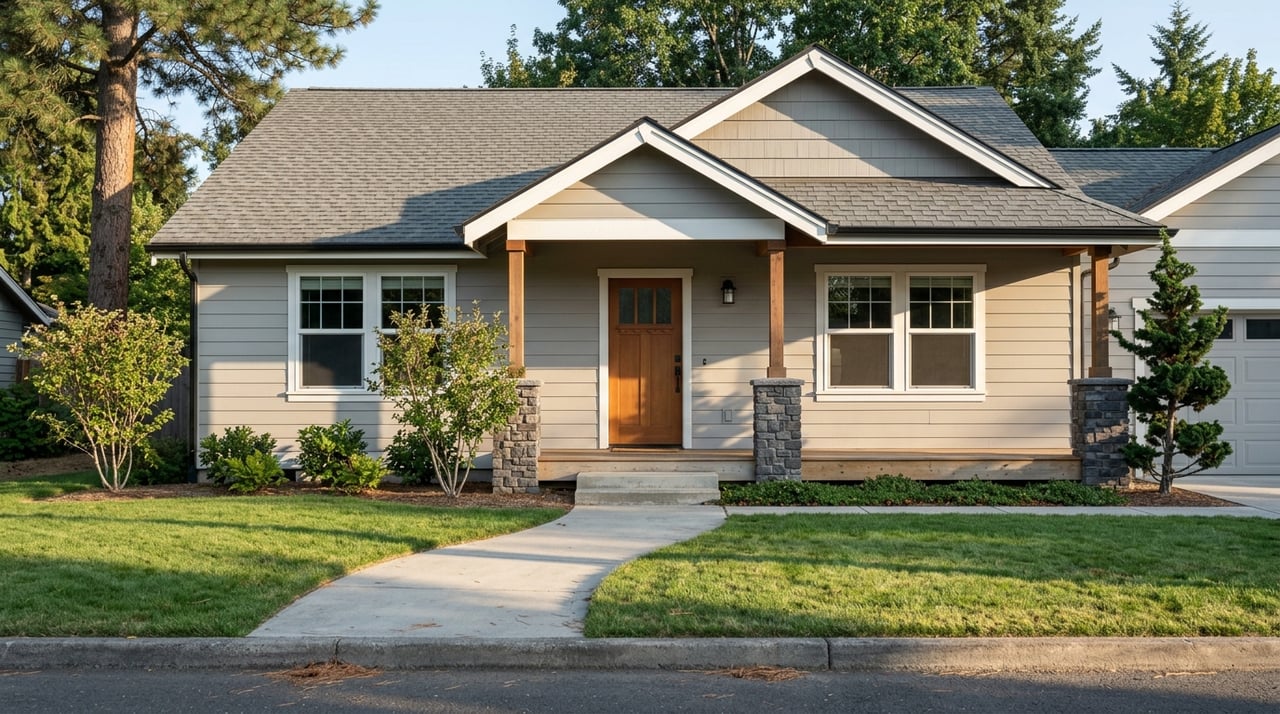
Choosing Redmond Oregon New Construction or Established Areas
April 2, 2026
April 2, 2026
Wondering whether a newer neighborhood or an established area is the better fit in Redmond? You are not alone. In a fast-growing city, that choice can shape your day-to-day lifestyle, your maintenance needs, and how much nearby change you may see over the next few years. This guide will help you compare both options in practical terms so you can make a more confident move. Let’s dive in.
Redmond is growing quickly, which means buyers often have real choices between newer planned communities and more established parts of town. The U.S. Census Bureau estimates Redmond’s population at 37,626 in July 2024, up 13.0% from the April 2020 estimate base.
That growth is showing up in both current housing demand and future planning. The city says it is updating wastewater and transportation master plans to address projected 20-year growth, while also continuing downtown revitalization efforts that include housing, retail, and entertainment.
For you as a buyer, that means the decision is not just about the house itself. It is also about whether you want a neighborhood that feels newer and more planned from the start, or one that already has a settled layout, existing services, and established connections to the city.
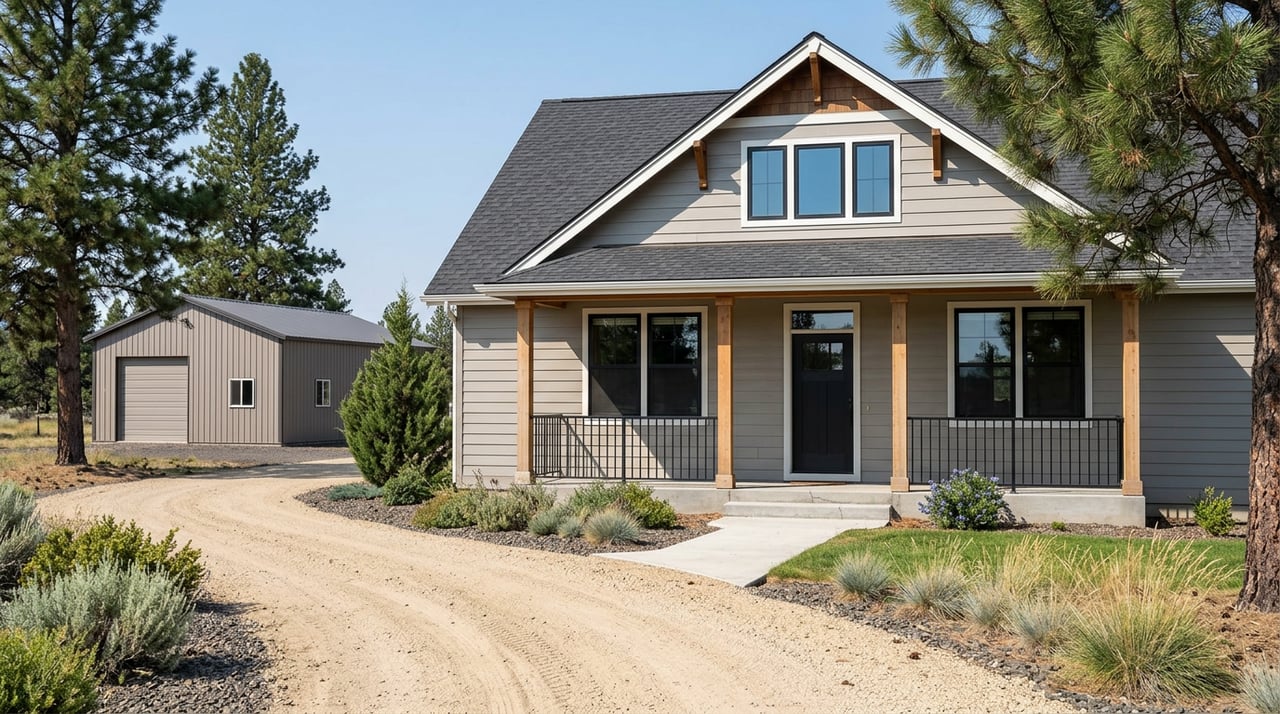
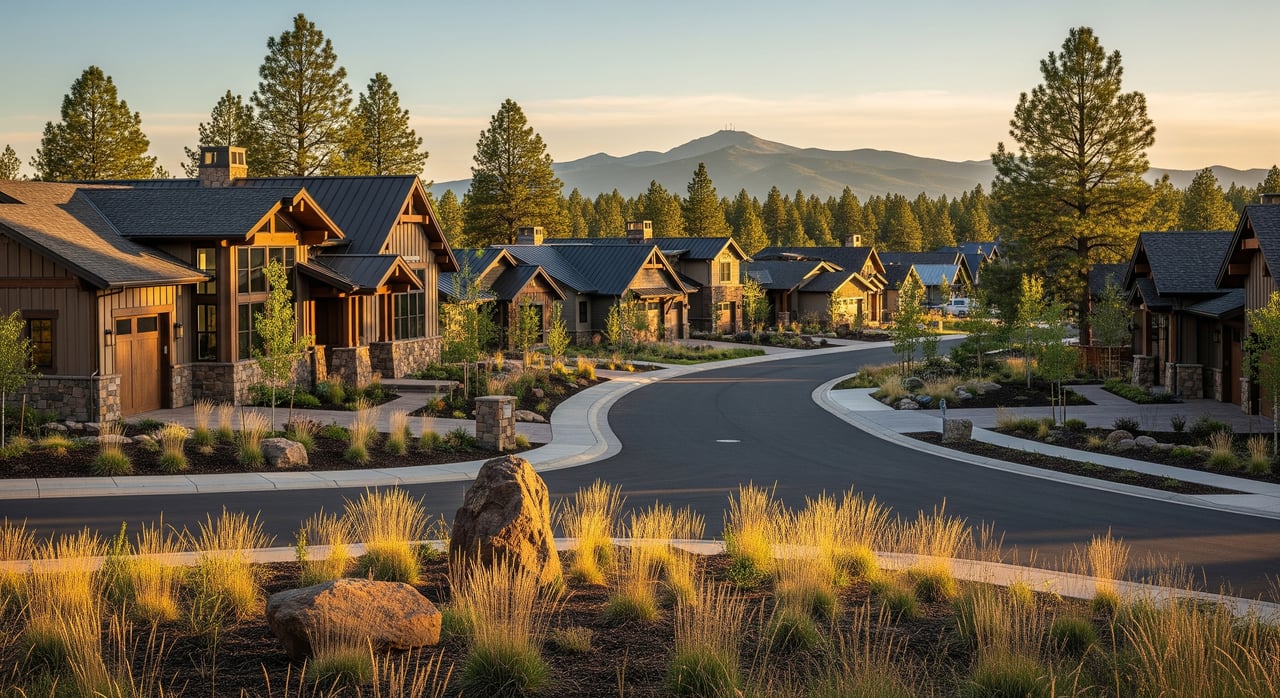
In Redmond, newer neighborhoods often follow a master-planned approach. That usually means housing, open space, and some amenities are designed together rather than added over time.
A good example is Northpoint Vista, a 40-acre, 450-unit mixed-income neighborhood planned near NE Kingwood Avenue and NE 15th Street. The project includes affordable, workforce, and market-rate housing, along with commercial services, walking paths, and open-space park areas.
Another example is Dry Canyon Village, where plans include market-rate single-family homes, multi-family housing, a public neighborhood park, and a separate 55+ planned unit development with private amenities. On the west side, the West Redmond Area Plan outlines roughly 440 acres that could become a neighborhood, commercial, and mixed-use center.
In practical terms, newer neighborhoods may appeal to you if you want:
The city also requires a certificate of occupancy for new single-family dwellings and townhouses, which reflects a code-compliance process before occupancy.
Established neighborhoods in Redmond often stand out for their immediate access to the city’s existing improvements. This is especially clear in and around downtown, where the city says it has been systematically investing since 1995, including streetscapes, water and sewer infrastructure, a city center park, and more than 100 façade improvements.
If you value being closer to what is already in place, established areas can be compelling. Redmond’s Downtown Housing Action Plan highlights the city’s goal of encouraging development, redevelopment, and rehabilitation of housing in the core, with a focus on helping residents access services with less reliance on private automobiles.
Connectivity is another strong point. The Homestead Canal Trail is a 5.3-mile paved multi-use trail that links neighborhoods to job centers, shopping areas, a regional transit hub, medical treatment facilities, downtown, parks, and open spaces.
Established neighborhoods may be a better fit for you if you want:
In Redmond, yard maturity is not a small detail. It can be a major quality-of-life issue, especially when you are comparing a brand-new subdivision with an older street.
According to Oregon State University Extension, Central Oregon’s high-desert conditions include a short growing season, limited precipitation, difficult soils, and the possibility of frost any day of the year. In other words, newly planted yards can take time, planning, and ongoing care to get established.
The city also notes that water use can increase four-fold in summer, largely because of outdoor watering. If you are leaning toward a newer neighborhood, it is smart to ask how much landscaping is complete, how irrigation is set up, and whether the planting plan is designed for drought-tolerant conditions.
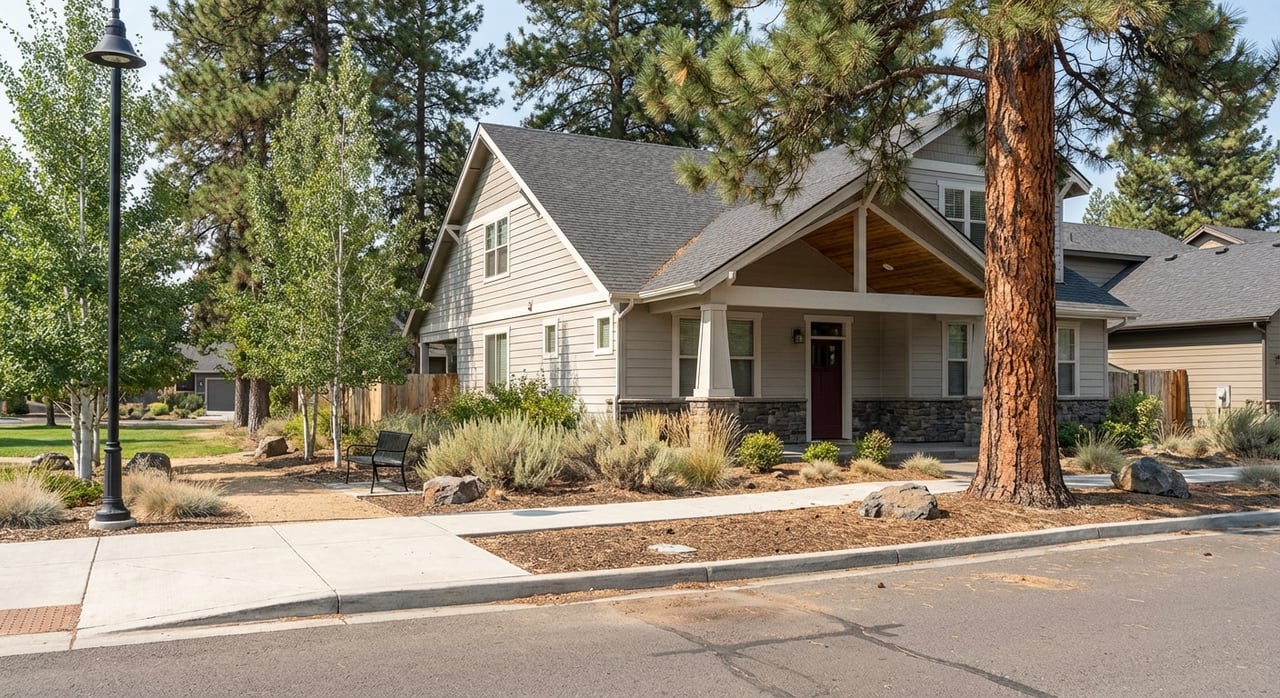
In an established neighborhood, mature landscaping may already be one of the biggest benefits. Trees, established yards, and a more finished streetscape can change how a neighborhood feels from the moment you arrive.
Newer planned communities can come with more private oversight. That is not automatically good or bad, but it is something you should review carefully.
For example, the south portion of Dry Canyon Village includes gated entries, private maintenance, walking trails, open space, a clubhouse, and an HOA governing private amenities. That setup may appeal to some buyers, while others may prefer fewer rules or lower ongoing dues.
As you compare neighborhoods, ask for details on:
This is one area where careful due diligence can save you from surprises after closing.
One of the biggest differences between new and established neighborhoods is timing. In newer areas, the plan may look great on paper, but some features may still be years away.
Northpoint Vista, for instance, has phase 1 infrastructure that started in 2025, with housing construction planned for spring 2026. West Redmond is also a future-growth area, which means the long-term vision may be attractive, but buyers should understand that the full neighborhood and commercial buildout will happen over time.
By contrast, downtown and the trail corridor already provide access to shopping, parks, open spaces, family entertainment, transit connections, and medical facilities through the Homestead Canal Trail network and downtown improvements. If you want amenities right away, that can be a major advantage.
Because Redmond is still in an active growth cycle, nearby construction is a real factor. Even if your home is complete, the surrounding area may still be evolving.
The city’s ongoing planning for transportation, wastewater, downtown revitalization, and future growth areas shows that change is part of Redmond’s current story. If you prefer a quieter or more settled environment, it is worth looking closely at the phase of development around a property and reviewing the city’s long-range planning context.
That does not mean you should avoid newer areas. It simply means you should go in with clear expectations about what is finished today and what may still be on the horizon.
The best neighborhood is usually the one that matches how you want to live, not just what looks best in photos.
If you are drawn to a newer neighborhood, focus on the details that matter most in Redmond, such as landscaping timelines, irrigation, HOA structure, future construction phases, and which amenities are actually completed. If you are leaning toward an established area, pay attention to proximity to downtown, trail access, and how the existing street network supports your daily routine.
A simple way to compare your options is to ask yourself:
In a city like Redmond, both paths can make sense. The right move depends on whether you value a newer, amenity-planned environment or an established area with immediate access to city investment and connections.
If you want help comparing neighborhoods, reviewing development details, or narrowing down the right fit for your goals, connect with Karen Whiteid. You will get thoughtful, local guidance backed by deep experience so you can move forward with clarity.
Explore Karen’s take on the market, local events, and helpful homeowner resources.
Karen offers custom solutions tailored to your goals, every step of the way.