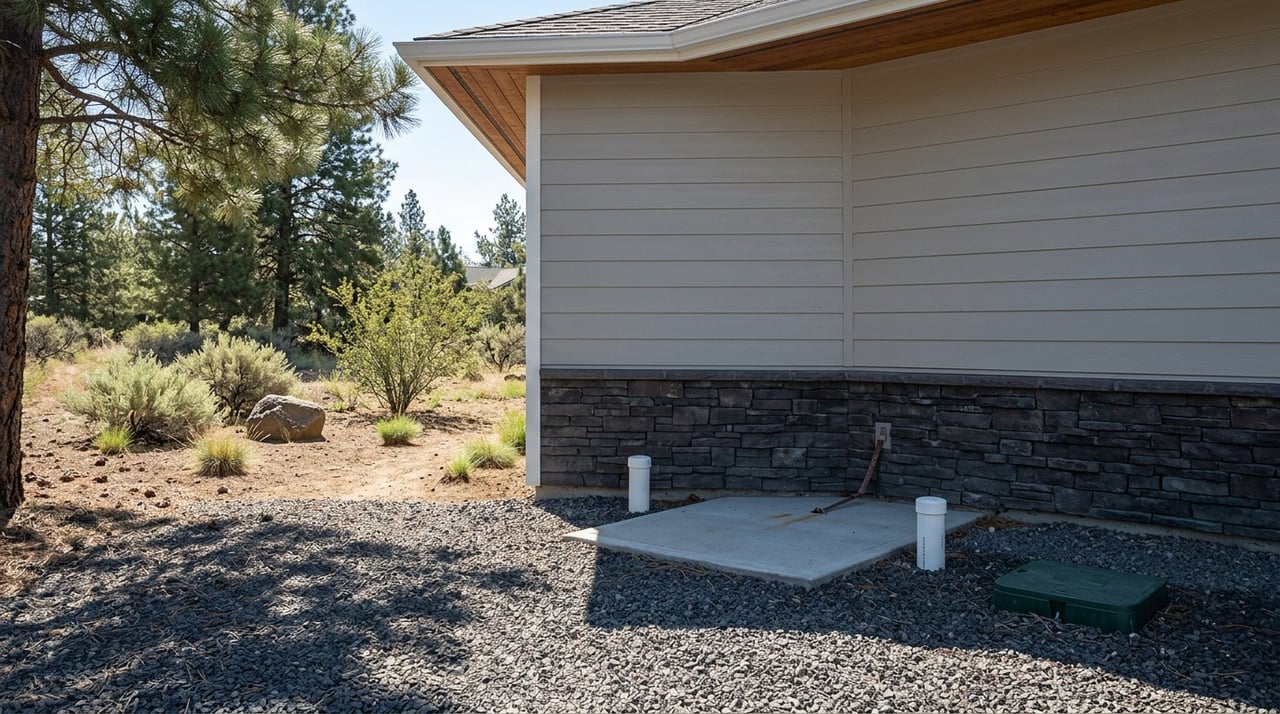
Buying Vacant Land In Bend And Central Oregon: Due Diligence Basics
April 16, 2026
April 16, 2026
Thinking about buying vacant land in Bend or elsewhere in Central Oregon? A beautiful parcel can be full of potential, but with land, the real story is often in the zoning, utilities, access, and permit path. If you want to avoid expensive surprises, a careful due diligence process can help you understand what you can actually do with a property before you close. Let’s dive in.
One of the first questions to answer is whether the property is inside city limits or in unincorporated Deschutes County. That matters because Bend, Redmond, and La Pine each have their own planning or community development process, while rural parcels are generally handled through Deschutes County.
For example, the City of Bend Planning Division handles land divisions, site plans, and development applications for city parcels. For rural property, Deschutes County directs many zoning and land-use questions to its planning staff and parcel research tools.
Before you get too far into a land purchase, confirm whether the parcel is buildable for your intended use. In Central Oregon, this usually starts with zoning, parcel status, and permit history.
Deschutes County says the base zone sets allowable uses, minimum parcel size, and development standards, while combining zones and overlays can add more rules. For county parcels, the Property & Permit Research tool is one of the best places to begin because it shows zoning designation, permit history, and other parcel details.
A key issue is whether the parcel is a legal lot of record. Deschutes County specifically notes that not all tax lots qualify as legal lots of record, and permits may not be issued until that status is determined. The county’s lot of record guidance is an important resource if you are evaluating raw land.
With vacant land, utilities can shape both your budget and your timeline. A parcel may look straightforward on a map, but water, sewer, and stormwater service can vary depending on location.
In Bend, Water Services handles questions about water and sewer service, service changes, and certain permit-fee questions. The city also notes that not all customers receive all three utility services, which means you should verify exactly what is available to the parcel.
Redmond also provides utility and infrastructure information through city resources, including its billing and utility information page and development services materials. In La Pine, the city states that it provides water and wastewater services through its Public Works Department, and new service requires an application, deposit, and fee.
Even if a parcel is inside city limits, do not assume sewer is already physically or legally available. Deschutes County notes that city-limit parcels in Bend and Redmond require a signed city authorization form as part of the site-evaluation process when sewer availability needs to be determined.
If the property is outside urban utility service, septic and well feasibility often become the biggest due diligence items. This is where many buyers either gain confidence or uncover major constraints.
Deschutes County explains that a site evaluation determines whether a property can adequately treat wastewater, what minimum system requirements apply, and where an approved system can be placed. If public sewer is not available, the county says an approved onsite wastewater system is required.
The county also notes that an existing valid site evaluation may sometimes be reused unless the property has changed, been partitioned, or the approved area has changed. That means an older approval may still need a careful review before you rely on it.
If the parcel needs a well, the Oregon Water Resources Department recommends using a licensed bonded well constructor. In rural Central Oregon, where domestic wells are common, groundwater conditions can vary from site to site, so this step is especially important.
A parcel is not just about what sits within the property lines. You also need to know how you legally reach it and who maintains the road.
Bend explains that public easements may exist for utilities, stormwater, or access, and work within a public easement or right-of-way may require a permit. The city’s right-of-way permit information can help clarify how public access areas are managed.
In rural Deschutes County, road maintenance is a major issue to review. The county says a local access road is a public road that is not maintained by the county or another government agency. That means grading, snow removal, and future road improvements may fall to private owners or road districts rather than the county.
If you are buying land in a rural subdivision or on a private road, ask clear questions about year-round access and maintenance responsibility before you move forward.
Recorded documents can affect what you can build and where you can place it. Easements, CC&Rs, and legal descriptions are easy to overlook, but they can directly affect the usable building area.
Deschutes County Clerk records documents affecting title to real property and notes that a legal description is not the same as a tax lot number or street address. The county’s clerk information page also recommends checking with a title company, lender, or Oregon attorney before transferring property.
If boundaries or plat details are unclear, the Deschutes County Surveyor’s Office can be useful for survey research, plat images, and corner-record work. This can be especially helpful with older plats, uncertain boundaries, or parcels served by private roads.
A strong land purchase starts with a short list of practical questions. If you get clear answers early, you can often avoid delays and unexpected costs later.
Here are some of the most important questions to ask:
For rural land questions, Deschutes County points property owners to its Planning and Zoning resources, including access to planning staff and onsite wastewater guidance.
Some land issues are manageable. Others can change the economics of the purchase in a big way. Knowing the common warning signs can help you decide when to proceed, renegotiate, or step back.
Watch closely for these red flags:
None of these issues automatically mean a parcel is a bad purchase. They do mean you need better information before making a final decision.
Vacant land often requires more coordination than an existing home purchase. Depending on the parcel, it may make sense to bring in a title company, surveyor, onsite wastewater specialist, civil engineer, and licensed well constructor early in the process.
This is also where working with a local broker who understands Bend and Central Oregon land can make a real difference. When you have someone helping you connect zoning, access, title, utility questions, and development practicality, it becomes much easier to evaluate a parcel with confidence.
If you are considering vacant land in Bend, Redmond, La Pine, or rural Deschutes County, Karen Whiteid can help you approach the process with clear local guidance and careful attention to detail.
Explore Karen’s take on the market, local events, and helpful homeowner resources.


Karen offers custom solutions tailored to your goals, every step of the way.